Traditional Chinese Herbs for Wellness
As modern society grapples with stress and fast-paced living, the ancient wisdom of Traditional Chinese Medicine (TCM) offers a holistic approach to well-being. By understanding how these time-tested practices can complement contemporary health routines, you can unlock a plethora of wellness benefits.
What You Will Learn
- The historical roots of TCM emphasize the harmony between the human body and nature, guiding modern wellness solutions.
- Key concepts in Chinese herbal medicine classify herbs based on their functions—tonifying, purging, and harmonizing—allowing for tailored health remedies.
- Commonly used TCM herbs like Ginseng, Goji Berries, and Dong Quai provide unique benefits that can enhance daily health practices.
- Practical ways to integrate TCM into your life include creating herbal teas, cooking with herbs, and pairing herb consumption with mindfulness techniques.
- TCM's role in mental wellness includes herbal remedies, Qi Gong for clarity, and acupuncture to address emotional balance.
- Complementary practices like Qi Gong and acupuncture can enhance the efficacy of herbal medicine, promoting both physical and emotional health.
Understanding Key Traditional Chinese Herbs
Explore the diverse functions and benefits of traditional Chinese herbs utilized in wellness practices.
Tonifying Herbs
Boost energy and vitality, e.g., Ginseng.
Purging Herbs
Assist in removing toxins and excess, e.g., Rhubarb.
Harmonizing Herbs
Balance different bodily functions, e.g., Licorice Root.
Commonly Used Herbs
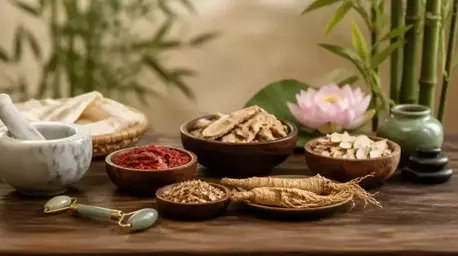
Explore herbs like Ginseng, Goji Berries, Astragalus, and Dong Quai for various health benefits.
Understanding Traditional Chinese Herbs for Wellness
Curiosity about how ancient practices can aid in modern wellness is something I encounter often in my journey at Qi Paths. Traditional Chinese Medicine (TCM) has a rich history that spans thousands of years, evolving continually to meet the needs of those seeking holistic health solutions. Today, we find ourselves amidst a resurgence of interest in these ancient methods, as many individuals explore how TCM can complement their contemporary wellness practices.
The Historical Context of Traditional Chinese Medicine (TCM)
Traditional Chinese Medicine has its roots in ancient China, where it began as a way of understanding the human body in harmony with nature. Over the centuries, TCM has encompassed various practices, including acupuncture, qigong, and herbal medicine. It's fascinating to see how these practices have evolved, yet retained their core principles—the balance of *Qi* (life force), the importance of Yin and Yang, and the connection between our bodies and the natural world.
As we navigate modern lifestyles filled with stress and fast-paced living, TCM offers timeless wisdom that is more relevant than ever. Its principles encourage us to tap into our innate ability to heal through natural means. By integrating these ancient practices, individuals can find a deeper connection to their well-being, fostering a holistic approach to health. For a deeper dive into the foundations of TCM, consider understanding traditional Chinese medicine.
Key Concepts in Chinese Herbal Medicine
When we speak of TCM herbs, we’re referring to a diverse array of plants that hold significant healing properties. These herbs can be classified into several categories based on their functions, such as tonifying, purging, and harmonizing. Each herb plays a unique role in the body, often working in synergy with others to enhance their effects.
- Tonifying herbs: Boost energy and vitality (e.g., Ginseng)
- Purging herbs: Assist in removing toxins and excess (e.g., Rhubarb)
- Harmonizing herbs: Balance different bodily functions (e.g., Licorice Root)
These classifications help practitioners select the right herbs for individual needs, ensuring a personalized approach to wellness. This holistic mindset not only addresses symptoms but also targets the underlying imbalances that may be contributing to health concerns.
Commonly Used TCM Herbs
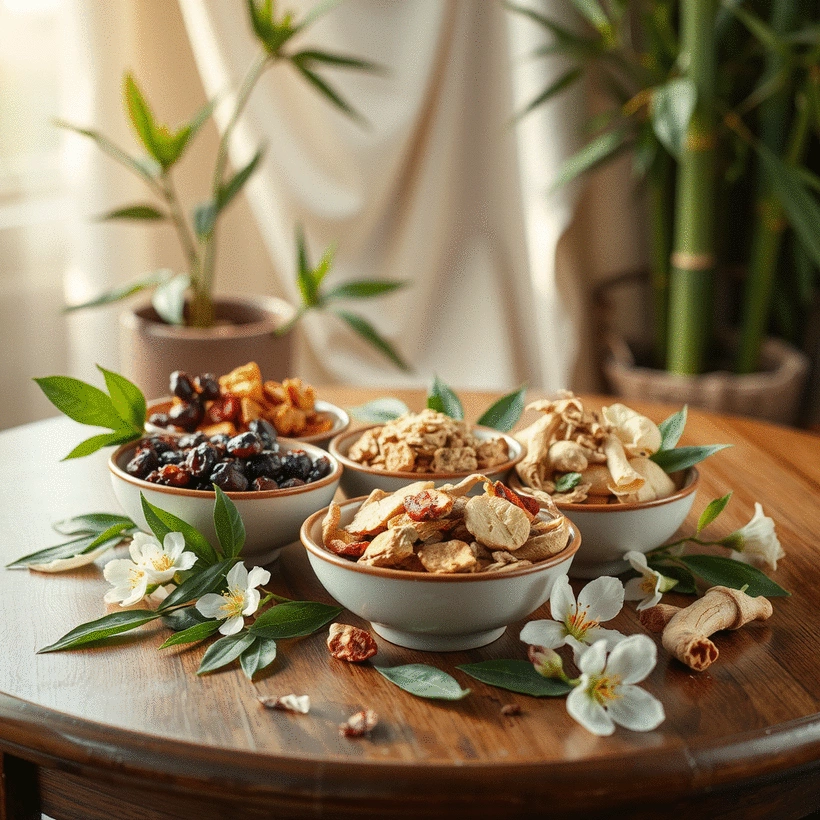
Delving into specific herbs can illuminate their vast applications in daily health practices. Some of the most commonly used TCM herbs include:
- Ginseng: Known for its energy-boosting properties, it aids in overall vitality.
- Goji Berries: Packed with antioxidants, they support eye health and immune function.
- Astragalus: Often used to strengthen the immune system and combat fatigue.
- Dong Quai: Commonly referred to as “female ginseng,” it supports reproductive health.
Each of these herbs brings unique benefits, and their inclusion in daily routines can help individuals optimize their health. At Qi Paths, I love sharing how these herbs can be easily incorporated into meals, teas, or even supplements, enhancing our well-being with the wisdom of TCM.
Benefits of Specific Traditional Chinese Herbs
As we continue to explore TCM, it's essential to recognize the specific benefits that certain herbs offer in addressing various health concerns. Embracing these ancient healing practices can lead to remarkable transformations in our wellness journeys.
Quick Summary
Here's a brief recap of the key points discussed so far:
- Traditional Chinese Medicine (TCM) emphasizes the harmony between the body and nature, offering holistic health solutions.
- Key concepts of TCM herbs include classifications such as tonifying, purging, and harmonizing, each serving unique roles in wellness.
- Incorporating TCM herbs into daily routines, through teas, cooking, or supplements, enhances both physical and mental health.
Frequently Asked Questions (FAQs) about Traditional Chinese Herbs
What is Traditional Chinese Medicine (TCM)?
TCM is an ancient holistic healing system that originated in China, focusing on the balance of Qi (life force), Yin and Yang, and the connection between the body and the natural world to promote health and well-being.
How are TCM herbs classified?
TCM herbs are typically classified into categories based on their functions, such as tonifying (boosting energy), purging (removing toxins), and harmonizing (balancing bodily functions).
What are some commonly used TCM herbs and their benefits?
Commonly used TCM herbs include Ginseng (for energy and vitality), Goji Berries (for antioxidants and immune support), Astragalus (for immune system strengthening), and Dong Quai (for reproductive health).
How can I integrate TCM herbs into my daily life?
You can integrate TCM herbs through various methods, including making herbal teas, cooking with herbs (e.g., licorice root in soups), taking herbal supplements, and pairing herb consumption with mindful practices like meditation or Qi Gong.
Does TCM address mental wellness?
Yes, TCM plays a significant role in mental wellness through herbal remedies (like Reishi Mushroom and Astragalus for stress), Qi Gong for mental clarity, and acupuncture to address emotional balance and improve mood. For more on this, explore acupuncture's role in mental health.
What complementary practices enhance TCM herbal medicine?
Complementary practices like Qi Gong (combining movement, meditation, and breath control) and acupuncture (stimulating specific body points) can enhance the efficacy of herbal medicine by cultivating Qi and releasing energy blockages, promoting both physical and emotional health.
Navigating the Future of Traditional Chinese Herbs
As we delve into the evolving landscape of Traditional Chinese Medicine (TCM), it's essential to embrace practical ways to incorporate TCM herbs into our everyday lives. The benefits of these ancient practices can be enhanced with simple adjustments in our routines. Here, I'll share actionable tips and recipes that make it easy to enjoy the wellness benefits of TCM herbs.
Imagine starting your day with a calming cup of herbal tea or winding down with a soothing infusion in the evening. By integrating these practices, you not only enrich your wellness journey but also deepen your connection with the holistic principles of TCM. Let's explore some effective ways to bring TCM into your daily life!
Practical Guides for Integrating TCM into Daily Life
Getting started with TCM herbs is easier than you might think! Here are some simple tips to incorporate these powerful plants into your routine:
- Herbal Teas: Create your own blends using herbs like Ginseng, Goji Berries, or Dong Quai for a flavorful and therapeutic drink.
- Cooking with Herbs: Add TCM herbs to your meals. For example, try including licorice root in your soups or stews for an added health boost.
- Daily Supplements: If you prefer convenience, consider taking herbal supplements that align with your wellness goals.
- Mindful Practices: Pair your herb consumption with mindfulness techniques like meditation or Qi Gong to enhance your overall well-being.
I've found that integrating TCM herbs into my daily life not only enhances my physical health but also uplifts my spirit. It's about creating small, enjoyable rituals that resonate with your lifestyle! For specific ways acupuncture can support your journey, you might want to explore acupuncture for better sleep quality.
Addressing Mental Wellness with TCM
While TCM is often associated with physical health, its role in mental wellness is equally significant. Exploring mental health through the lens of TCM opens doors to new preventive practices. Here are a few ways TCM can support mental wellness:
- Herbal Remedies: Consider using herbs like Reishi Mushroom and Astragalus to alleviate stress and anxiety.
- Qi Gong for Mental Clarity: Engage in Qi Gong exercises to promote relaxation and mental focus, enhancing overall emotional health.
- Acupuncture Sessions: Incorporate acupuncture into your wellness routine to address mental blockages and improve mood.
Embracing TCM for mental wellness can lead to a more balanced and fulfilling life. Have you ever tried any of these practices? I'd love to hear how they worked for you! If you're looking for a reliable place to start your acupuncture journey, consider visiting a trusted acupuncture clinic.
Exploring Qi Gong and Acupuncture in TCM
While TCM herbs are a significant part of the healing process, the complementary practices of Qi Gong and acupuncture should not be overlooked. These practices offer a holistic approach to wellness that enhances the effects of herbal medicine. Here’s how:
- Qi Gong: This gentle exercise combines movement, meditation, and breath control, helping to cultivate Qi (life energy) and restore balance.
- Acupuncture: By stimulating specific points on the body, acupuncture can help release energy blockages, making herbal remedies more effective.
- Synergistic Effect: Together, these practices can amplify the benefits of TCM herbs, addressing both physical and emotional health.
At Qi Paths, I encourage everyone to explore these practices as a means to support their wellness journey. Together, TCM herbs, Qi Gong, and acupuncture create a powerful toolkit for health!
Recap of Key Points
Here is a quick recap of the important points discussed in the article:
- Traditional Chinese Medicine (TCM) emphasizes the balance of Qi, Yin and Yang, and the connection between body and nature.
- TCM herbs are categorized into tonifying, purging, and harmonizing, each serving unique roles in promoting health.
- Commonly used TCM herbs include Ginseng, Goji Berries, Astragalus, and Dong Quai, each offering specific health benefits.
- Incorporating TCM herbs into daily life can easily be achieved through herbal teas, cooking, and mindful practices.
- TCM also supports mental wellness with practices such as herbal remedies, Qi Gong, and acupuncture, enhancing emotional health.
- Combining TCM herbs with Qi Gong and acupuncture creates a synergistic effect, amplifying the overall benefits for physical and emotional well-being.