Acupuncture and Physical Therapy Insights

Are you aware that the integration of acupuncture and physical therapy can significantly enhance your healing journey? This powerful combination not only addresses pain but also boosts overall well-being, offering a holistic approach to health.
What You Will Learn
- Acupuncture involves inserting needles at specific points to stimulate the body's healing processes, providing relief from chronic pain and promoting relaxation.
- Understanding meridians is crucial in acupuncture; they represent pathways for life energy (Qi) that, when blocked, can lead to health issues.
- Physical therapy focuses on restoring movement and function, with personalized treatment plans designed to manage pain and improve mobility.
- The integration of acupuncture and physical therapy creates a comprehensive treatment plan that addresses both physical and emotional aspects of health.
- Safety considerations are essential; certain individuals may need to avoid acupuncture, such as pregnant women or those with specific medical conditions.
- Understanding the quality of evidence behind these therapies helps in making informed health decisions; clinical studies can vary in their applicability.
- Creating a collaborative care model between acupuncturists and physical therapists can optimize treatment outcomes and ensure aligned healing goals.
- Exploring cost and accessibility is important; insurance coverage for acupuncture and physical therapy varies, so patients should check their policies and discuss options.
Acupuncture vs Physical Therapy: Techniques and Benefits
Exploring the complementary benefits of acupuncture and physical therapy can enhance recovery and well-being. Below are key aspects of each practice, visually represented for easy comparison.
Acupuncture Techniques
- Traditional acupuncture - balances the flow of Qi.
- Electro-acupuncture - uses electrical currents for enhanced effects.
- Cupping therapy - increases blood flow and relieves tension.
Physical Therapy Techniques
- Manual therapy - hands-on muscle and joint manipulation.
- Therapeutic exercises - tailored movements for strength and flexibility.
- Electrotherapy - electrical energy to relieve pain and promote healing.
Acupuncture Benefits
- Relief from chronic pain.
- Reduction of stress and anxiety.
- Improvement of sleep quality.
- Boosting the immune system.
Physical Therapy Benefits
- Restores movement and function.
- Reduces pain levels through exercises.
- Improves strength to prevent future injuries.
- Develops a tailored treatment plan.
Understanding the Connection: Acupuncture and Physical Therapy
Have you ever thought about how different healing practices can work together? At Qi Paths, we delve into the fascinating relationship between acupuncture and physical therapy. Both aim to enhance physical well-being, but they do so through different methods that can complement each other beautifully. In this section, we’ll explore how these two approaches can be woven together for a holistic healing experience, especially when considering a trusted acupuncture clinic.
Defining Acupuncture: Techniques and Benefits
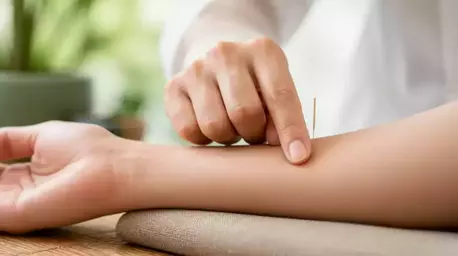
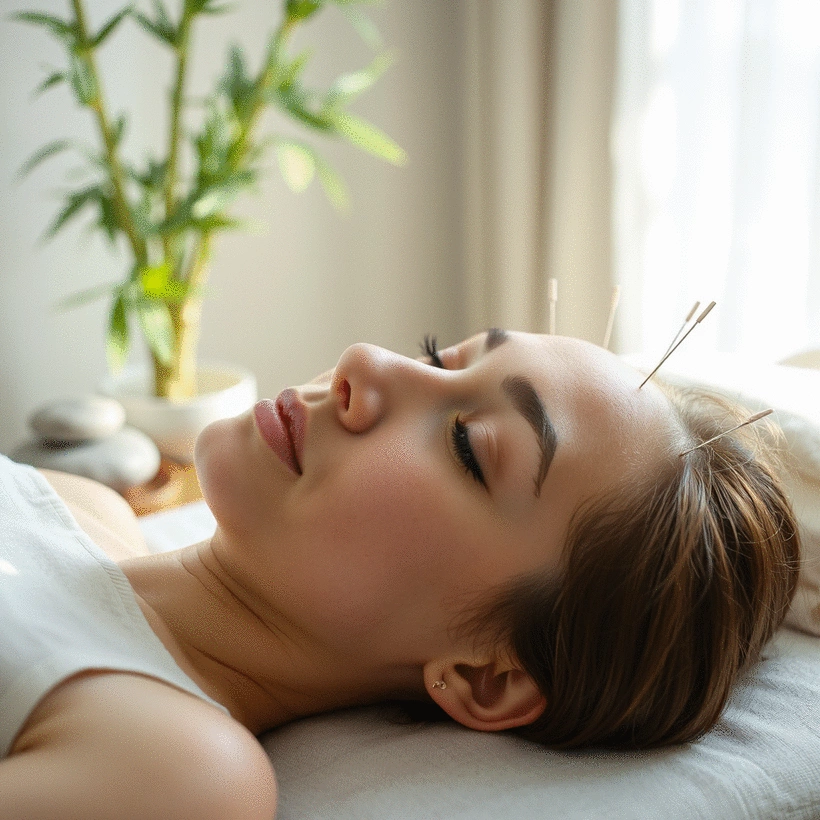
Acupuncture is an ancient practice rooted in traditional Chinese medicine that involves inserting thin needles into specific points on the body. The main goal is to stimulate the body’s natural healing processes. It can be a bit surprising to many; who would think that tiny needles can lead to such significant health improvements? Here are some of the key benefits of acupuncture:
- Relief from chronic pain, like back pain or arthritis.
- Reduction of stress and anxiety.
- Improvement of sleep quality.
- Boosting the immune system.
Overview of Acupuncture Practices and Points
During an acupuncture session, practitioners at Qi Paths focus on specific points known as acupuncture points. Each point corresponds to different organs and systems in the body. It’s like a map where each needle insertion serves a unique purpose. This targeted approach allows for tailored treatments that can address individual health concerns effectively.
There are several different techniques used in acupuncture, including:
- Traditional acupuncture - focuses on balancing the flow of Qi.
- Electro-acupuncture - involves a mild electrical current for enhanced effects.
- Cupping therapy - uses suction cups to increase blood flow and relieve tension.
Understanding the Role of Meridians in Healing
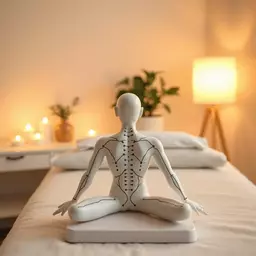
In acupuncture, the concept of meridians is essential. These are pathways through which Qi, or life energy, flows. Think of meridians like rivers nourishing the body. Blockages or disruptions in these pathways can lead to pain or illness. By pinpointing acupuncture points along these meridians, practitioners can help restore balance and promote healing, as further explained in Acupuncture Points and Meridians Explained.
Some common meridians include:
- Liver Meridian - associated with detoxification and emotional balance.
- Kidney Meridian - linked to vitality and energy.
- Heart Meridian - crucial for emotional wellness and circulation.
Exploring Physical Therapy: Approaches and Goals
Physical therapy is another vital component of health and wellness. It focuses on restoring movement and function when someone is affected by injury or illness. The approach can be personalized to meet the individual needs of each patient, making it a versatile form of treatment. Here’s what physical therapy generally involves:
- Assessment of physical capabilities.
- Development of a tailored treatment plan.
- Implementation of therapeutic exercises and modalities.
Types of Physical Therapy Techniques
Similar to acupuncture, physical therapy encompasses a variety of techniques. Some common methods include:
- Manual therapy - hands-on techniques to manipulate muscles and joints.
- Therapeutic exercises - tailored movements to improve strength and flexibility.
- Electrotherapy - using electrical energy to relieve pain and promote healing.
By incorporating a mix of physical therapy techniques, practitioners aim to address the root causes of pain and dysfunction, ultimately getting you back to doing what you love!
Goals of Physical Therapy in Pain Management
The primary goal of physical therapy is to manage pain and enhance mobility. Here are some key objectives:
- Reducing pain levels through targeted exercises.
- Restoring range of motion after injuries.
- Improving strength to prevent future injuries.
When both acupuncture and physical therapy are integrated, the results can be even more effective. At Qi Paths, we believe in the power of combining these ancient and modern practices to provide our patients with the best possible care.
Integrating Traditional Chinese Medicine with Modern Practices
Combining acupuncture with physical therapy represents a holistic approach to treatment. By acknowledging the strengths of both practices, we can create a comprehensive plan that addresses both the physical and energetic aspects of healing. One of the most exciting aspects of this integration is its potential to enhance recovery.
Holistic Health Approaches in Treatment
This integrated practice doesn’t just treat symptoms; it looks at the entire person. Some holistic health approaches include:
- Mindful breathing exercises.
- Nutrition guidance that aligns with traditional practices.
- Stress-reduction techniques, such as meditation or Qi Gong.
The Role of Complementary Therapies in Rehabilitation
Complementary therapies play a significant role in rehabilitation, helping to foster a balanced approach to health. By integrating acupuncture and physical therapy, patients can experience:
- Enhanced pain relief from both modalities.
- Improved emotional well-being through stress management.
- Greater overall health by addressing underlying issues.
At Qi Paths, we are committed to guiding you on your journey toward wellness, using the best of both traditional and contemporary healing methods. Together, let’s explore how this synergistic approach can benefit you!
Quick Summary
As we explore the integration of acupuncture and physical therapy, here are the key points we've covered so far:
- Acupuncture stimulates the body's natural healing through targeted needle placements.
- Physical therapy focuses on restoring movement and function after injury.
- Combining both practices can lead to enhanced pain relief and improved overall health.
- Holistic health approaches, including mindfulness and nutrition, complement both treatments.
Practical Considerations: Safety and Evidence-Based Practices
When exploring the world of acupuncture and its integration with physical therapy, it's essential to consider practical aspects like safety and the quality of evidence supporting these treatments. Understanding these factors can empower you to make informed decisions about your health. At Qi Paths, we aim to illuminate these areas, ensuring you have the knowledge needed to navigate your wellness journey confidently!
Safety Concerns: Who Should Avoid Acupuncture?
While acupuncture is generally considered safe for most individuals, there are certain contraindications to be aware of. Some people may need to avoid acupuncture due to specific health conditions or circumstances. It’s crucial to consult with a qualified practitioner before starting treatment to ensure it’s right for you.
- Pregnant individuals, especially during the first trimester.
- Those with bleeding disorders or who take blood-thinning medications.
- People with certain infections or skin conditions in the area of treatment.
Additionally, certain medical devices like pacemakers can complicate acupuncture treatment. Always share your full medical history with your acupuncturist to tailor the treatment to your individual needs.
Evidence Quality: Understanding Clinical Studies and Trials
As we delve into the effectiveness of acupuncture and physical therapy, examining the quality of evidence behind them is vital. Research can vary widely in its strengths and limitations, impacting how we perceive these treatments. Here are some important points to consider:
- Clinical studies often focus on specific conditions, which can skew their applicability to broader populations.
- Randomized controlled trials (RCTs) provide strong evidence but may not reflect real-world practices.
- Observational studies can offer insights but may lack rigorous scientific controls.
This variability emphasizes the importance of synthesizing evidence to support patient outcomes. At Qi Paths, we draw on various research sources to provide well-rounded perspectives on how acupuncture and physical therapy can work together.
Formulating a Comprehensive Treatment Plan
Creating a personalized treatment plan that encompasses both acupuncture and physical therapy can enhance your recovery journey. This collaborative approach fosters a well-rounded strategy that addresses not just physical symptoms but also emotional and mental well-being. Let’s dive into how this partnership can look in practice!
Creating a Collaborative Care Model: PT and Acupuncturist Partnership
A successful treatment plan often involves communication between your physical therapist and acupuncturist. Together, they can create a combined care plan tailored to your specific needs. Here’s what that might involve:
- Regular consultations between practitioners to discuss progress and adjust treatments.
- Creating a schedule that balances both acupuncture sessions and physical therapy appointments.
- Utilizing assessment tools to track improvements and symptoms over time.
This collaborative approach can optimize your healing experience, ensuring that each facet of your care is aligned and working towards the same goals.
Addressing Cost and Accessibility: Patient Considerations
Understanding the financial aspect of treatments is crucial. Many patients wonder about insurance coverage and how accessible these therapies are. Here are some key considerations:
- Check your health insurance policy to see if it covers acupuncture or physical therapy.
- Explore community resources or sliding scale options for those without insurance.
- Discuss payment plans with your practitioners if cost is a concern.
At Qi Paths, we're dedicated to connecting our community with affordable options for holistic wellness. We understand the importance of accessible treatment and strive to provide resources that make it possible!
Frequently Asked Questions: Clarifying Common Misconceptions
As we wrap up this exploration of acupuncture and physical therapy, let’s take a moment to address some common questions that arise regarding combined treatments. Many people are curious about what to expect and how to best approach treatment planning for specific conditions.
What to Expect from Combined Treatments
Combining acupuncture with physical therapy often leads to enhanced results. Patients typically experience reduced pain, improved mobility, and a more holistic approach to recovery. It’s important to set realistic expectations and communicate openly with your practitioners!
How to Approach Treatment Planning for Specific Conditions
When considering treatments for specific conditions, it’s wise to work with both an acupuncturist and a physical therapist who can guide you based on your unique situation. Each case is different, and a tailored plan can significantly improve your outcomes!
Frequently Asked Questions (FAQs)
Q1: What are the primary benefits of combining acupuncture and physical therapy?
A: Combining acupuncture and physical therapy offers a holistic approach to healing. Acupuncture addresses pain, stress, and energy imbalances, while physical therapy restores movement, function, and strength. Together, they enhance pain relief, improve mobility, reduce stress, and support overall well-being and recovery.
Q2: Who should avoid acupuncture, or what are the safety considerations?
A: While generally safe, certain individuals should avoid acupuncture or consult a practitioner beforehand. This includes pregnant individuals (especially in the first trimester), those with bleeding disorders or on blood-thinning medications, and people with certain infections or skin conditions at treatment sites. Always inform your acupuncturist of your full medical history.
Q3: How does traditional Chinese medicine’s concept of meridians relate to healing?
A: In traditional Chinese medicine, meridians are pathways through which life energy (Qi) flows throughout the body. Blockages or disruptions in these meridians can lead to pain or illness. Acupuncture targets specific points along these meridians to restore balance and promote the body's natural healing processes.
Q4: What is a collaborative care model when integrating acupuncture and physical therapy?
A: A collaborative care model involves open communication and coordinated efforts between your physical therapist and acupuncturist. They work together to create a comprehensive treatment plan tailored to your needs, discuss progress, adjust treatments, and ensure both therapies align to optimize your healing journey.
Q5: Does insurance typically cover both acupuncture and physical therapy?
A: Insurance coverage for acupuncture and physical therapy varies widely depending on your specific health insurance policy and provider. It's essential to check your policy details, explore community resources, or discuss payment plans with your practitioners if cost is a concern to understand your options.
For individuals seeking better sleep quality, acupuncture can be a powerful tool. Learn more about acupuncture for better sleep quality.
Recap of Key Points
Here is a quick recap of the important points discussed in the article:
- Acupuncture Benefits: Provides relief from chronic pain, reduces stress and anxiety, improves sleep quality, and boosts the immune system.
- Physical Therapy Goals: Focuses on managing pain, restoring mobility, and improving strength through personalized treatment plans.
- Integrative Approach: Combining acupuncture and physical therapy enhances recovery by addressing both physical and energetic aspects of healing.
- Holistic Health Techniques: Incorporate mindful breathing, nutrition guidance, and stress-reduction methods for comprehensive wellness.
- Safety Considerations: Consult with practitioners to avoid potential contraindications, especially for individuals with specific health conditions.
- Evidence Quality: Understand the variability in clinical studies and prioritize treatments backed by strong evidence.
- Collaborative Care Model: Effective treatment plans involve communication between acupuncturists and physical therapists for tailored care.
- Cost and Accessibility: Check insurance coverage and explore community resources for affordable treatment options.