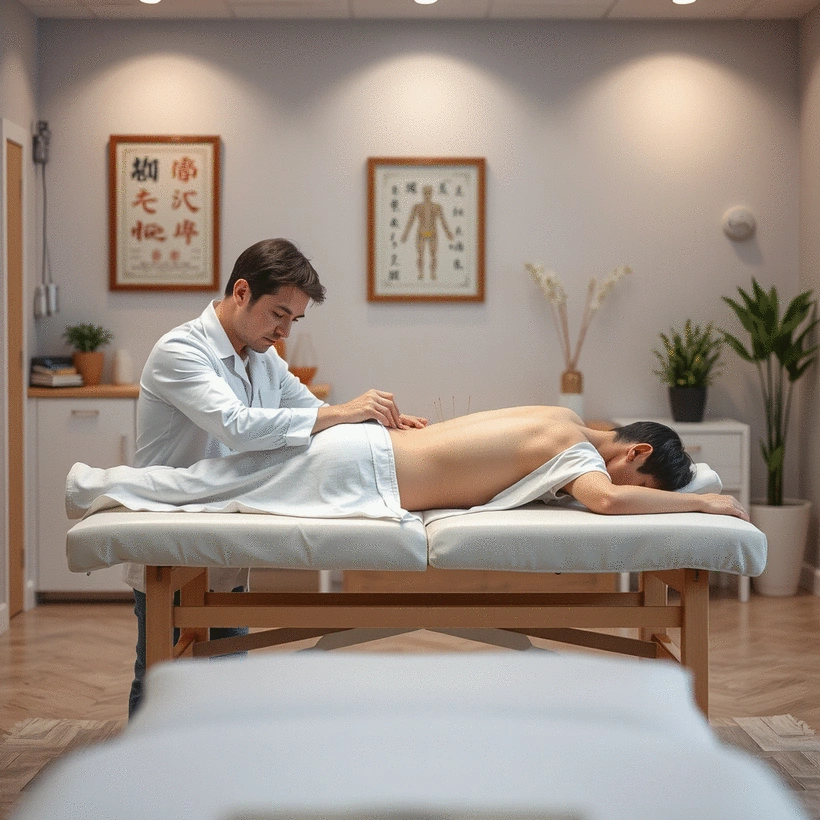
Acupuncture Success in Migraine Relief
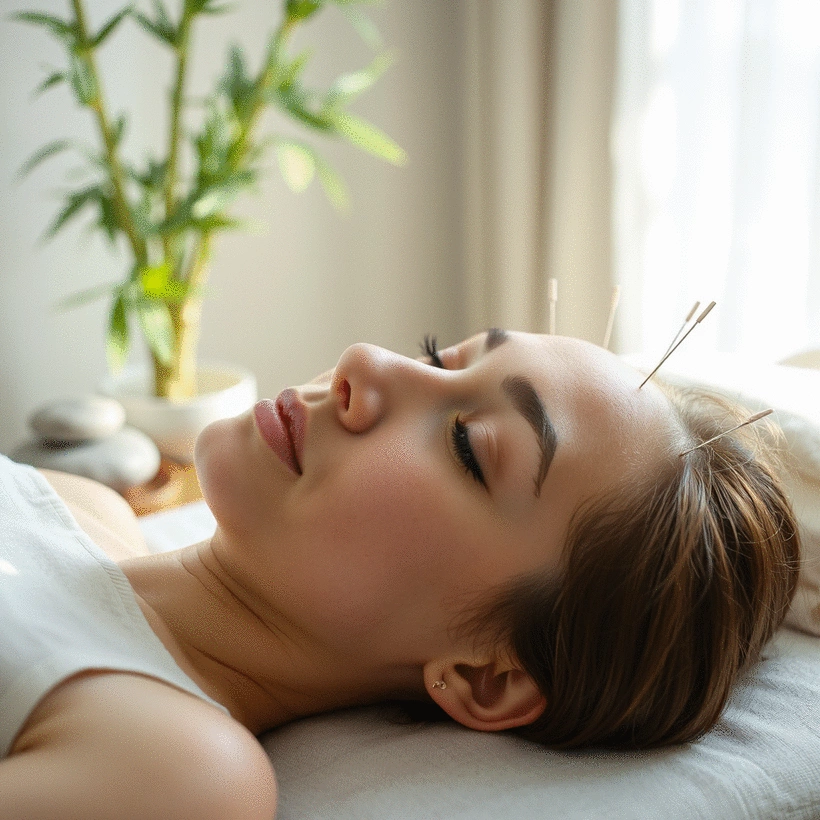
Acupuncture has been a beacon of hope for many suffering from chronic migraines, transforming lives with its holistic approach. From personal journeys of healing to the contrasting experiences with traditional medications, the stories shared reveal the profound impact this ancient practice can have. Are you ready to explore how acupuncture could change your life?
What You Will Learn
- Personal narratives illustrate that acupuncture can significantly reduce the frequency and intensity of migraines.
- Many patients find acupuncture to be a holistic alternative to medications, addressing not just symptoms but also emotional and spiritual well-being.
- Acupuncture may offer lasting relief from migraines without the side effects commonly associated with traditional medications.
- A series of 6 to 12 acupuncture sessions is often recommended for noticeable results, emphasizing the importance of commitment to the process.
- Choosing a licensed acupuncturist and discussing your medical history can enhance your treatment experience and outcomes.
- Incorporating mindfulness and self-care practices alongside acupuncture can further improve overall well-being and quality of life.
Comparative Insights on Acupuncture vs Medication for Migraines
Exploring the benefits and experiences of patients transitioning from medication to acupuncture reveals key differences in treatment approaches. For those interested in understanding the broader applications of this ancient practice, you might find our article on discovering acupuncture's many benefits insightful.
Side Effects
Medications can cause nausea, dizziness, and fatigue, while acupuncture has minimal side effects.
Natural Healing
Acupuncture restores balance through natural means, unlike medications that treat only symptoms.
Long-Term Solutions
Acupuncture often provides lasting relief, whereas medications may lose effectiveness over time.
Patient Experiences
Many patients report feeling more in control of their health and experience reduced frequency and intensity of migraines.
Real Patient Stories of Acupuncture Success for Migraines
At Qi Paths, we often hear inspiring stories from individuals who have found relief from chronic migraines through acupuncture. These personal narratives not only uplift our community but also highlight the potential of ancient healing practices in facing modern health challenges. Let’s explore some of these remarkable journeys to understand how acupuncture has transformed lives and provided hope for migraine sufferers.
Understanding the Journey: Personal Stories of Migraine Relief
Each person’s experience with migraines is unique, and many have turned to acupuncture as a path to relief. For instance, consider the story of Emily from Frome, who struggled with debilitating migraines for years. After trying numerous medications with little success, she decided to explore acupuncture, hoping to find a more natural solution. With each session, Emily began to notice a change—less frequency and intensity in her migraines, ultimately leading to a significant improvement in her quality of life.
Transformative experiences like Emily's can be common. Patients open up about the moment they realized acupuncture was working for them. Many describe a feeling of relaxation during treatments that not only eased their physical pain but also helped ease anxiety and stress, factors often intertwined with migraine triggers. Have you ever pondered the connection between your emotional state and physical health? For further reading on achieving balance, explore our resources on Qi principles for wellness.
Chronic Migraines: A Personal Narrative
Take a moment to meet Alex, who battled chronic migraines for over a decade. He felt trapped in a cycle of pain and medication that didn’t seem to offer lasting relief. After doing some research, he came across Qi Paths and decided to give acupuncture a try. Alex found that with each visit to his acupuncturist, he was learning more about his body and its responses.
His experience became a journey of self-discovery, as Acupuncture not only helped alleviate his migraines but also fostered a deeper understanding of his overall wellness. This holistic approach resonated with him, emphasizing that healing is more than just physical; it's emotional and spiritual too.
Transformative Experiences: From Medication to Acupuncture
Many individuals feel a sense of relief when they switch from traditional medications to acupuncture. For instance, Sarah from Westbury shared that she was tired of dealing with the side effects of painkillers. After switching to acupuncture, she found herself not only managing her migraines better but also enjoying a new lease on life. Acupuncture offered Sarah a holistic alternative that respected her body’s needs.
These stories remind us that acupuncture is more than just a treatment; it’s a journey towards understanding and embracing our health in a more natural way. It’s exciting to see how many are finding success through ancient practices, paving the way for others to explore similar paths. Could acupuncture be the answer you’ve been searching for?
Comparing Acupuncture and Medication: Insights from Patient Experiences
As we delve deeper into the experiences of those who have turned to acupuncture, the differences between traditional medications and acupuncture become clear. Many patients have shared their frustrations with the side effects of medications, which often fail to address the underlying issues causing their migraines. This often leads individuals to seek alternative solutions, like acupuncture, which promotes healing from within.
Patients’ personal accounts highlight a few key comparisons:
- Side Effects: Common medications can lead to nausea, dizziness, or fatigue, while acupuncture has minimal side effects.
- Natural Healing: Acupuncture works to restore balance through natural means, whereas medications often treat symptoms only.
- Long-Term Solutions: Many find acupuncture provides lasting relief, unlike medications that may lose effectiveness over time.
These stories underline the importance of considering alternative approaches in our health journeys. It’s not just about treating symptoms; it’s about finding a sustainable path to wellness. Have you ever thought about how your body feels after trying different treatments?
Side Effects of Traditional Medications: Personal Accounts
Many individuals recount their struggles with medications. For instance, Jack from Trowbridge shared how he experienced significant side effects from the medications prescribed for his migraines. He felt lethargic and found it difficult to concentrate. This prompted him to seek natural alternatives, leading him to acupuncture. His account is echoed by others who have felt similarly constrained by medication side effects.
These personal narratives reveal a common thread: the desire for a solution that respects the body’s natural rhythm. With acupuncture, patients often report a renewed sense of energy and clarity, free from the fog caused by medication side effects.
Acupuncture as a Holistic Alternative: Patient Testimonials
Acupuncture is emerging as a holistic alternative, as many testimonials highlight its effectiveness. Take Lydia from Shepton Mallet, who expressed that after just a few sessions, her migraines became less frequent and less severe. She describes acupuncture as a *gentle embrace* for her body, allowing her to reconnect with her well-being.
These testimonials illustrate the profound impact of acupuncture beyond just pain relief. Patients often feel a greater sense of control over their health and wellness. It’s an empowering journey, one that fosters connection with both oneself and the community of practitioners at Qi Paths. If you're considering starting your own journey, finding a trusted acupuncture clinic is a great first step.
Interactive Poll: Your Experience Matters!
Have you ever tried acupuncture for migraine relief? We'd love to hear your thoughts!
Consolidating Patient Insights and Expert Guidance on Acupuncture for Migraines
As we dive deeper into the world of acupuncture and its impact on migraines, it's essential to consolidate patient insights and expert guidance. Many individuals grappling with migraines have questions, and I often hear these queries during my practice at Qi Paths. By addressing common concerns, we can illuminate the path towards understanding how acupuncture may be a viable option for relief.
Frequently Asked Questions About Acupuncture for Migraine Relief
One of the most common questions I receive is: How many acupuncture sessions are necessary for results? While each person's experience is unique, many find that a series of 6 to 12 sessions can bring noticeable relief. This timeline allows the body to adjust and respond to the treatment effectively.
Another frequent inquiry is: Is acupuncture safe for individuals with chronic migraines? The answer is a resounding yes! Acupuncture is generally considered safe when performed by a qualified practitioner. Most patients report minimal side effects, especially when compared to traditional medications. Here are some key points to consider:
- Choose a licensed acupuncturist for the best care.
- Always discuss any pre-existing conditions with your practitioner.
- Monitor your body's reactions after each session.
For those interested in understanding more about how acupuncture works, exploring resources such as Understanding Traditional Chinese Medicine can provide valuable context.
FAQs about Acupuncture and Migraines
- How does acupuncture help with migraines? Acupuncture aims to restore balance in the body's energy flow (Qi) and reduce inflammation and pain by stimulating specific points, which can decrease migraine frequency and intensity.
- How many sessions are typically needed for migraine relief? While individual responses vary, many patients experience significant relief after a series of 6 to 12 sessions.
- Is acupuncture a safe alternative to migraine medication? Yes, when performed by a licensed practitioner, acupuncture is generally very safe with minimal side effects, especially compared to the potential side effects of traditional medications.
- Can acupuncture provide long-term relief from migraines? Many patients report lasting relief from migraines through acupuncture, suggesting it can offer a sustainable solution beyond temporary symptom management.
- What should I look for in an acupuncturist for migraine treatment? It's crucial to choose a licensed and experienced acupuncturist, ideally one with specific experience treating migraine patients. Reading reviews and discussing their approach can also be helpful.
Next Steps for Readers Considering Acupuncture for Their Migraines
If you're contemplating acupuncture as a treatment for your migraines, proper preparation is essential. Here are some consultation tips to help guide your initial discussion with an acupuncturist:
- Share your complete medical history and migraine triggers.
- Discuss any medications you are currently taking.
- Ask about their experience specifically with migraine patients.
Finding the right acupuncturist can significantly influence your experience. Consider these key considerations when searching for a practitioner:
- Check their credentials and licenses.
- Read reviews and testimonials from past patients.
- Evaluate their approach to treatment—do they prioritize a holistic perspective?
Encouraging Engagement: Sharing Your Own Acupuncture Story
I truly believe in the power of community and shared experiences. By inviting readers to contribute their stories, we can create a supportive network around acupuncture's effectiveness for migraines. Your experiences, whether positive or challenging, add depth to our understanding.
Consider connecting with local support groups or online forums dedicated to wellness. Engaging with others can foster a sense of belonging and provide invaluable resources as you navigate your journey with migraines.
Enhancing Quality of Life Through Acupuncture and Self-Care
Beyond acupuncture, integrating mindfulness and stress relief techniques into your routine can further enhance your well-being. Here are some suggestions for incorporating these practices:
- Practice deep breathing exercises to calm your mind.
- Engage in gentle yoga or stretching to promote relaxation.
- Explore meditation apps that guide you through mindfulness exercises.
Lastly, patient education is a key aspect of managing migraine pain effectively. Understanding your pain management options empowers you to take charge of your health. At Qi Paths, I encourage individuals to stay informed and proactive in exploring both traditional and alternative healing practices. For those struggling with sleep, acupuncture can also play a vital role, as discussed in our article on acupuncture for better sleep quality.
By sharing insights, asking questions, and engaging with your community, you can pave the way for a healthier, more balanced life! What are your thoughts on integrating acupuncture into your wellness journey? Let's continue this conversation together!
Recap of Key Points
Here is a quick recap of the important points discussed in the article:
- Acupuncture has provided relief for many individuals suffering from chronic migraines, often leading to significant improvements in their quality of life.
- Patient experiences reveal that acupuncture helps address not only physical pain but also emotional and spiritual well-being.
- Compared to traditional medications, acupuncture generally has minimal side effects and promotes natural healing.
- A typical treatment plan may involve 6 to 12 acupuncture sessions for noticeable results.
- Choosing a qualified and licensed acupuncturist is crucial for effective treatment.
- Incorporating mindfulness and stress-relief techniques can further enhance well-being alongside acupuncture.