Natural Remedies for Skin Care
Curious about how ancient practices can transform modern skincare? Traditional Chinese Medicine (TCM) offers a holistic perspective that intertwines internal health and skin vitality. Let’s uncover how these age-old principles can lead to glowing skin!
What You Will Learn
- The importance of internal balance, or *Qi*, in achieving healthy skin.
- Key dietary considerations and anti-inflammatory foods that enhance skin health.
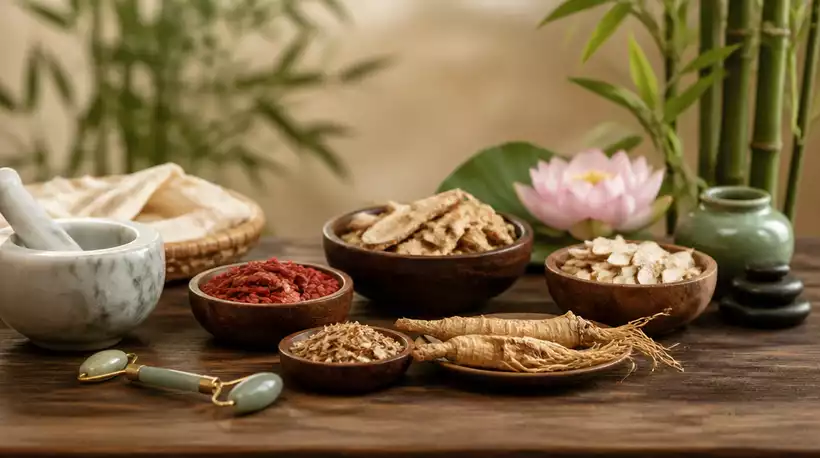
- Essential TCM herbal ingredients like ginseng, goji berries, licorice root, and reishi mushroom and their specific benefits.
- Practical tips for creating a personalized skincare routine using TCM principles.
- The significance of integrating TCM with modern dermatology for a comprehensive skincare approach.
- Safety considerations, including potential side effects and when to consult a dermatologist.
- The role of facial acupuncture and herbal applications in enhancing skin health.
Key Factors in Traditional Chinese Medicine for Skin Health
Understanding the holistic approach TCM offers for achieving radiant skin involves focusing on internal balance, dietary considerations, and emotional well-being. Below are the key elements represented visually.
Internal Balance
The balance of Qi is essential for skin health, closely linked to various organs.
Dietary Considerations
Foods that nourish the body can enhance skin appearance and vitality.
Emotional Well-Being
Stress management is crucial for maintaining healthy skin.
Key Ingredients
Ginseng, Goji Berries, Licorice Root, and Reishi Mushroom play pivotal roles in skin health.
Understanding the Role of Traditional Chinese Medicine in Skin Health
When we think about skin health, we often focus on topical treatments and products. However, *Traditional Chinese Medicine (TCM)* offers a different perspective by emphasizing a holistic approach. At Qi Paths, I believe that understanding our bodies as interconnected systems is crucial for achieving radiant skin. TCM focuses on balancing the body internally, which can lead to visible improvements externally. This approach encourages us to consider factors such as diet, emotional health, and lifestyle in our quest for healthy skin! For a deeper dive into the foundations of this ancient practice, explore understanding Traditional Chinese Medicine.
Exploring the Holistic Approach to Skin Care
In TCM, skin health is viewed as a reflection of our internal balance. The skin is not just an outer layer; it is connected to various organs and systems within the body. *Achieving harmony* is essential, and there are key areas where we can focus:
- Internal balance: The balance of energy, known as *Qi*, plays a significant role in skin health.
- Dietary considerations: Foods that nourish the body can enhance skin appearance.
- Emotional well-being: Stress management is crucial for maintaining healthy skin.
Internal Balance and Its Importance in Skin Health
Did you know that imbalances in our body's systems can manifest as skin issues? In TCM, organs like the liver and spleen are closely linked to skin health. If these organs are stressed or out of balance, it can lead to conditions like dryness or breakouts. That's why I often recommend lifestyle changes and dietary adjustments alongside treatments like acupuncture. By focusing on internal balance, we can promote a clearer, more vibrant complexion!
Inflammation Control: A Key to Radiant Skin
Inflammation is another significant player in skin health. In TCM, we recognize that various factors can contribute to inflammation, leading to skin problems. By incorporating anti-inflammatory herbs and foods, we can tackle this issue effectively. Some popular options include:
- Green tea: Known for its antioxidant properties.
- Turmeric: A powerful anti-inflammatory spice.
- Ginger: Helps improve circulation and reduce inflammation.
Bioactive Ingredients in Traditional Chinese Medicine
Now, let's dive into the fascinating world of bioactive ingredients found in TCM. These natural elements work wonders for our skin and overall health. By understanding how they function, we can make informed choices about our skincare routines. To learn more about how specific dietary choices can support your overall wellness journey, you might find our article on diet's role in Chinese Medicine insightful.
Key Herbal Ingredients for Skin Health
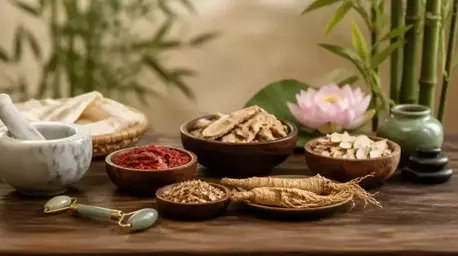
There are many herbs in TCM that have been traditionally used to support skin health. Here are some key herbal ingredients to know:
- Ginseng: Renowned for boosting energy and revitalizing the skin.
- Goji Berries: Packed with antioxidants, they support skin hydration and elasticity.
- Licorice Root: Known for its soothing properties and ability to lighten pigmentation.
- Reishi Mushroom: Helps reduce inflammation and supports the immune system.
Mechanisms of Action: How TCM Ingredients Work
Understanding how these ingredients work is key to appreciating their benefits. TCM herbs often target specific meridians or energy pathways in the body. For instance, ginseng not only helps energize but also improves blood circulation, which can enhance skin vitality. Similarly, goji berries provide essential nutrients that nourish the skin from within. By incorporating these ingredients into our routines, we can foster a deeper connection to our skin health!
Essential TCM Ingredients for Skin Health
In my practice at Qi Paths, I often recommend specific TCM ingredients that have shown remarkable benefits for skin health. By understanding their unique properties, we can better tailor our approach to skincare.
Benefits of Ginseng and Goji Berries
Ginseng and goji berries are standout ingredients in TCM. Ginseng helps combat fatigue and supports overall health, while goji berries are known for their skin-rejuvenating properties. Together, they create a powerful synergy that can enhance your skincare routine. Not only do they provide nourishment, but they also contribute to a more glowing complexion!
The Role of Licorice Root and Reishi Mushroom
Licorice root, with its *anti-inflammatory* and *antioxidant* properties, is excellent for calming irritated skin and addressing pigmentation issues. Reishi mushroom, on the other hand, is a fantastic adaptogen that supports stress reduction. Both ingredients work together to create a balanced environment for healthy skin. Using TCM’s wisdom, we can explore these ingredients and find what resonates most with our individual skin needs! If you're looking to explore more holistic practices that support overall well-being, including skin health, consider learning about acupuncture for better sleep quality, as restful sleep is vital for skin rejuvenation.
Quick Summary
Here's a brief recap of the key points discussed so far:
- Traditional Chinese Medicine (TCM) emphasizes a holistic approach to skin health, focusing on internal balance.
- Key ingredients like ginseng, goji berries, licorice root, and reishi mushroom provide unique benefits for skin vitality.
- Integrating TCM with modern dermatology enhances overall skin care effectiveness, addressing both root causes and symptoms.
Practical Implications of Incorporating TCM into Daily Skin Care Routines
Integrating Traditional Chinese Medicine (TCM) into your daily skin care routines can be an enriching experience! It not only supports your skin health but also promotes overall well-being. By personalizing your skincare approach using TCM principles, you can unlock the potential of ancient wisdom to enhance your modern lifestyle.
At Qi Paths, we believe that finding the right balance between tradition and modern methods is key. By creating a custom routine that incorporates TCM, you can tailor your skincare to your unique needs, addressing issues that resonate with you. Are you ready to explore how to make TCM a part of your daily regimen?
Creating a Personalized Skin Care Routine with TCM
When building a TCM-based skin care routine, it’s essential to consider the dosage and forms of remedies suitable for your skin type. TCM offers various herbal remedies, which can be found in multiple forms such as tinctures, powders, or topical applications. Understanding how to incorporate these forms can help streamline your routine and maximize effectiveness.
Here are a few tips for integrating TCM into your skincare:
- Consult a TCM practitioner to identify your skin type and imbalances.
- Choose herbal products based on your skin's specific needs.
- Incorporate TCM dietary practices to support skin health from the inside out.
Additionally, combining TCM with modern dermatology can provide a comprehensive approach to skin health. For instance, while applying herbal remedies, you can also use gentle cleansers and moisturizers that align with TCM principles for a holistic effect.
Dosage and Forms of TCM Remedies
Understanding the correct dosage and forms of TCM remedies is vital for seeing results. For instance, tinctures might require a few drops daily, while herbal powders can be mixed into drinks or face masks. Tailoring these dosages to fit your specific skin concerns can amplify their benefits.
Moreover, incorporating practices like facial acupuncture or using herbal steam can enhance your skincare routine significantly. These methods not only rejuvenate the skin but also promote relaxation and balance, making them perfect for a holistic approach.
Integrating TCM with Modern Dermatology
Combining TCM with modern dermatology can lead to more effective skin care results. TCM emphasizes treating the root cause of skin issues, while modern dermatology often focuses on symptoms. By merging these practices, you can create a well-rounded routine that addresses both aspects.
Some ways to achieve this integration include:
- Using TCM herbal remedies alongside prescribed topical treatments.
- Incorporating acupuncture into your dermatological visits for enhanced healing.
- Seeking guidance from practitioners who specialize in both TCM and modern skincare.
At Qi Paths, we encourage you to embark on this journey of self-discovery, using the wisdom of TCM to enhance your skin's vitality!
Safety and Considerations for Using TCM
As with any health regimen, safety is paramount when incorporating TCM into your skincare routine. While many TCM remedies are generally considered safe, it’s essential to be aware of potential side effects and interactions. Some herbal ingredients may not be suitable for everyone, especially those with specific allergies or health conditions.
Being informed can help you navigate any concerns you may have about using TCM. It's wise to consult with a qualified TCM practitioner or dermatologist if you’re unsure about any products or remedies. For more information on finding a reliable practitioner, consider reading our guide on finding a trusted acupuncture clinic.
Potential Side Effects and Interactions
While TCM is rooted in natural ingredients, it's crucial to recognize that not all herbs are compatible with every individual. Some common side effects to be mindful of include:
- Allergic reactions to certain herbal ingredients.
- Interactions with medications, particularly for chronic conditions.
- Digestive issues from improper dosages or combinations.
Tracking how your skin responds to new remedies helps you adjust and customize your regimen effectively.
When to Consult a Dermatologist
It’s essential to know when to seek professional help. If you experience persistent skin issues or if you're considering incorporating TCM into your existing skincare regimen, consulting a dermatologist can provide valuable insights. This is especially important if you have underlying health conditions or are taking medications.
Remember, your skin is unique, and finding a tailored approach that combines both TCM and modern dermatology can create a foundation for healthy, glowing skin!
Frequently Asked Questions about Traditional Chinese Medicine for Skin Health
As interest in TCM continues to grow, many people have questions about its applications for skin health. This section addresses some of the most common concerns, helping you feel more at ease about trying TCM methods for your skincare needs.
Have you ever wondered what to expect from TCM treatments or how long it takes to see results? Let’s dive into these frequently asked questions!
Common Concerns and Misconceptions
Many misconceptions surround TCM, particularly regarding its effectiveness and expected outcomes. Understanding what to expect can help set realistic expectations as you explore this ancient healing system.
What to Expect from TCM Treatments
When beginning TCM treatments, it’s essential to keep in mind that results vary from person to person. You may experience:
- Gradual improvements in skin texture and clarity.
- Enhanced emotional well-being and relaxation.
- A deeper understanding of your skin's needs and imbalances.
By approaching TCM with an open mind, you’ll likely find that the journey is just as important as the destination!
How Long to See Results with TCM Approaches
Many individuals wonder how long it will take to see results from TCM approaches. While some may notice improvements within weeks, others may take longer depending on their unique skin conditions and overall health. Patience is crucial when embarking on this journey!
Generally, you might expect to see noticeable changes within:
- 2 to 4 weeks for slight improvements.
- 1 to 3 months for significant changes in skin health.
- Ongoing benefits with consistent use of TCM practices.
Finding the Right TCM Clinic for Skin Health
Choosing the right TCM clinic can significantly impact your skincare journey. With so many options available, it’s essential to consider various factors to ensure you receive the best care possible.
Factors to Consider When Choosing a Clinic
Here are some key factors to keep in mind when selecting a TCM clinic:
- Qualifications and experience of the practitioners.
- Reviews and testimonials from previous clients.
- Clinic's approach to integrative care, combining TCM and modern dermatology.
At Qi Paths, we encourage you to visit local clinics and engage in conversations with practitioners to find a good fit for your needs.
Local Resources for Traditional Chinese Medicine
Finding local resources for TCM can enhance your experience and provide you with ample support. In the Frome, Trowbridge, Shepton Mallet, Westbury, and Warminster areas, we have a network of skilled practitioners ready to guide you in your wellness journey.
Take advantage of local workshops, community events, and online resources to deepen your understanding of TCM and its benefits for skin health!
Incorporating Acupuncture and External Applications
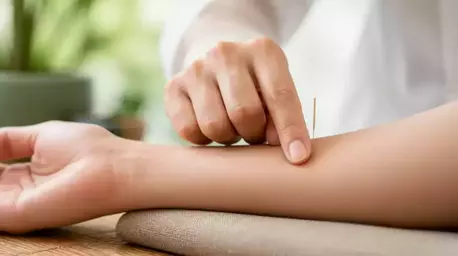
Acupuncture is a cornerstone of TCM that can also be integrated into your skincare routine. Many find that this practice not only improves skin health but also enhances overall well-being.
Benefits of Facial Acupuncture for Skin Health
Facial acupuncture is known for its rejuvenating effects on the skin. By stimulating specific points, this technique can:
- Enhance blood circulation, promoting a healthy glow.
- Reduce the appearance of fine lines and wrinkles.
- Support lymphatic drainage and detoxification.
Many of my clients at Qi Paths rave about the refreshing feeling and visible improvements they experience after facial acupuncture!
Using Herbal Compress and Moxibustion for Skin Conditions
In addition to acupuncture, external applications like herbal compresses and moxibustion can be powerful allies in your skincare regimen. These methods harness the healing properties of TCM herbs, providing targeted relief for various skin conditions.
Consider these benefits:
- Herbal compresses soothe inflammation and irritations.
- Moxibustion helps to warm the skin and improve circulation.
- Both methods can enhance the effectiveness of topical treatments.
At Qi Paths, I encourage you to explore these practices as part of your TCM journey to healthier skin! For those interested in a comprehensive approach to health, exploring acupuncture's place in wellness today can provide further insights.
Frequently Asked Questions (FAQs)
- Q1: How does TCM view skin health differently from Western medicine?
- A1: TCM views skin health as a reflection of internal balance, emphasizing the interconnectedness of organs, Qi (energy), diet, and emotional well-being, rather than solely focusing on topical treatments or symptoms.
- Q2: What are some key TCM ingredients beneficial for skin health?
- A2: Key TCM ingredients include ginseng for revitalization, goji berries for hydration and elasticity, licorice root for soothing irritation and reducing pigmentation, and reishi mushroom for reducing inflammation and supporting immunity.
- Q3: How can I integrate TCM principles into my daily skincare routine?
- A3: You can integrate TCM by consulting a practitioner to understand your skin type and imbalances, choosing herbal products tailored to your needs, incorporating anti-inflammatory foods into your diet, and considering practices like facial acupuncture or herbal compresses.
- Q4: Are there any safety concerns or side effects when using TCM for skin health?
- A4: While generally safe, potential side effects include allergic reactions to certain herbs, interactions with medications, or digestive issues from improper dosages. It's crucial to consult a qualified TCM practitioner or dermatologist, especially if you have existing health conditions or allergies.
- Q5: How long does it typically take to see results from TCM skincare approaches?
- A5: Results vary, but some individuals may notice slight improvements within 2-4 weeks. Significant changes in skin health typically become apparent within 1-3 months with consistent use of TCM practices.
Recap of Key Points
Here is a quick recap of the important points discussed in the article:
- Holistic Approach: TCM emphasizes the interconnectedness of internal balance, diet, emotional health, and lifestyle for achieving radiant skin.
- Key Ingredients: Incorporate TCM herbs such as Ginseng, Goji Berries, Licorice Root, and Reishi Mushroom for their skin-enhancing properties.
- Internal Balance: Focus on balancing Qi and addressing organ health to prevent skin issues like dryness and breakouts.
- Dietary and Lifestyle Changes: Include anti-inflammatory foods like green tea, turmeric, and ginger to mitigate skin inflammation.
- Personalized Skincare Routine: Consult with TCM practitioners to tailor your skincare regimen based on your unique skin type and imbalances.
- Safety First: Be aware of potential side effects and consult professionals before introducing new TCM remedies into your skincare routine.