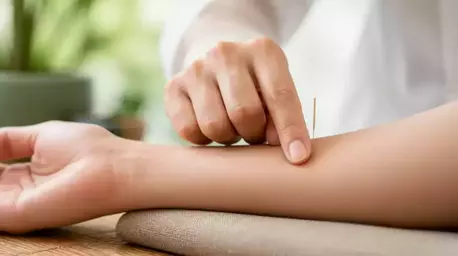
Acupuncture's Roots in Chinese Medicine
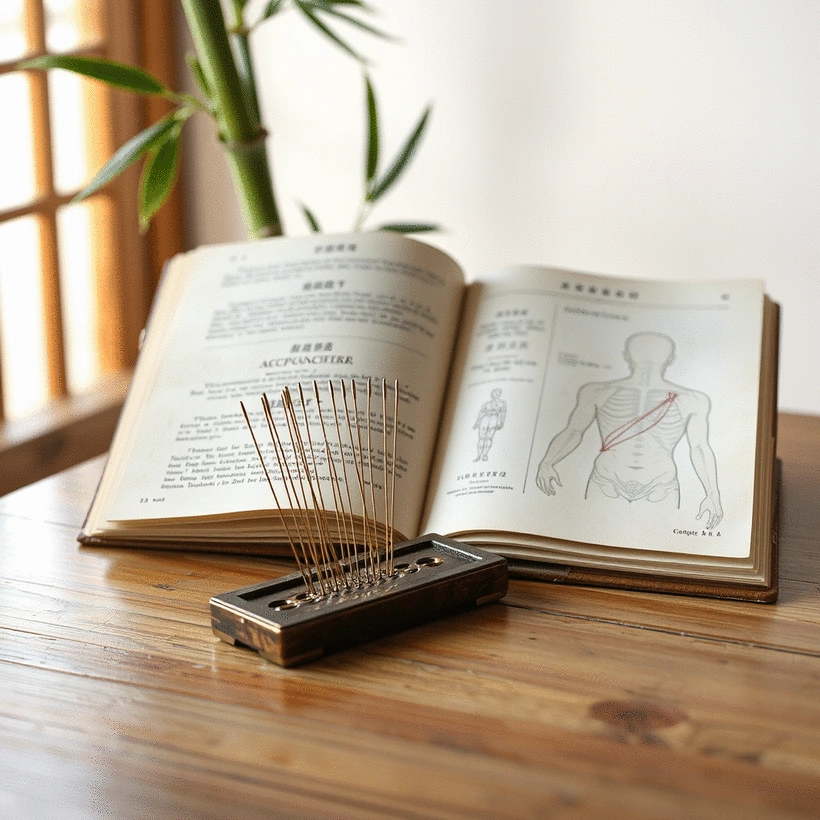
Acupuncture, an ancient healing practice with deep historical roots, has evolved significantly over thousands of years. Understanding its journey enriches our appreciation of its role in modern health and wellness. As we uncover these layers, we gain insights into how this ancient art has adapted and thrived in contemporary society.
What You Will Learn
- The origins of acupuncture trace back to prehistoric times, showcasing early tools made from natural materials.
- Key concepts such as meridians and Qi are integral to understanding how acupuncture facilitates healing by promoting energy flow.
- Historical texts like the Huangdi Neijing are foundational in the development of acupuncture, influencing practices and education in Traditional Chinese Medicine (TCM).
- Acupuncture evolved through various Chinese dynasties, with significant advancements during the Ming Dynasty that standardized techniques and practices.
- The philosophy of Yin-Yang plays a crucial role in acupuncture, guiding practitioners to create balance in their treatments.
- Acupuncture has been integrated into Western medicine, gaining recognition for its effectiveness in pain management and overall wellness.
- The establishment of acupuncture schools in the West ensures that future practitioners receive comprehensive training that blends TCM principles with Western medical knowledge.
- Current research continues to support acupuncture’s efficacy for various conditions, highlighting the importance of evidence-based medicine in its practice.
- Exploration of acupuncture's historical context reveals perspectives that enhance understanding, including its connections to other healing traditions like Ayurveda and shamanism.
Key Historical Periods in Acupuncture Development
The evolution of acupuncture is marked by significant periods, each contributing to its practice and understanding. To learn more about how acupuncture works, explore our article on trusted acupuncture clinics.
Prehistoric Practices (Pre-2500 BCE)
The earliest acupuncture tools included stone needles, bamboo sticks, and bone implements, representing a fundamental approach to healing.
Shang Dynasty (1600-1046 BCE)
Shamanistic practices began to integrate acupuncture for both physical and spiritual healing, utilizing animal bones as tools.
Ming Dynasty (1368-1644)
This period saw the codification of acupuncture practices, including detailed charts and standardized techniques, promoting knowledge-sharing.
Integration into Traditional Chinese Medicine
Acupuncture became essential in TCM, enhancing practices like herbal medicine and contributing to a holistic health approach.
The Historical Context of Acupuncture in Chinese Medicine
Understanding the history of acupuncture is like peeling back layers of a rich tapestry that spans thousands of years. This ancient practice is deeply intertwined with the cultural and medical evolution of Chinese society. At Qi Paths, we believe that exploring these historical roots offers us invaluable insights into how acupuncture can benefit our modern lives.
Acupuncture, as we know it today, has origins that trace back to prehistoric times. Let’s take a moment to dive into these ancient beginnings and appreciate the wisdom that has been passed down through generations.
Tracing the Ancient Origins of Acupuncture
The journey of acupuncture begins long before recorded history. Prehistoric practices from around 2500 BCE relied on simple tools and rudimentary methods. Early practitioners used sharp stones and bones to stimulate points on the body, addressing ailments through trial and error.
Over time, these practices evolved, leading to a more nuanced understanding of the body. One key concept that emerged was the idea of meridians—pathways through which vital energy, known as Qi, flows. This connection between the body and its energy systems forms the foundation of acupuncture. Explore our detailed guide on acupuncture points and meridians explained.
Prehistoric Practices and Tools (Pre-2500 BCE)
In the earliest days, acupuncture tools were made from natural materials, emphasizing the harmony between humans and nature. Some of the notable tools included:
- Stone needles
- Bamboo sticks
- Bone implements
These ancient tools paved the way for future advancements in acupuncture techniques and methods, as practitioners sought to refine their skills and enhance their understanding of how to alleviate pain and treat illnesses.
Understanding Meridians and Qi Concepts
The integration of meridians and Qi into acupuncture is crucial for understanding how the practice works. Meridians serve as pathways for Qi to flow throughout the body, connecting organs, tissues, and systems. When there’s a blockage or imbalance in this flow, it can lead to illness.
Practitioners learn to identify these patterns, allowing them to target specific points along the meridians. This target-oriented approach is what makes acupuncture a powerful healing art, capable of addressing a wide range of health issues.
Key Historical Texts: The Huangdi Neijing and Beyond
A seminal work in the history of acupuncture is the Huangdi Neijing, or the "Yellow Emperor's Inner Canon." This foundational text, written around the 3rd century BCE, compiles essential theories and practices of Chinese medicine, including acupuncture.
In the Huangdi Neijing, the principles of meridians, Qi, and acupuncture techniques are detailed with great depth. This text has influenced generations of practitioners and continues to serve as a cornerstone for modern acupuncture education.
The Evolution of Acupuncture Through Chinese Dynasties
As we trace the evolution of acupuncture, it’s fascinating to observe how various Chinese dynasties contributed to its development. Each era brought unique perspectives, tools, and techniques that shaped the practice into what we recognize today.
For instance, during the Shang Dynasty, shamanistic practices laid the groundwork for the early understanding of acupuncture. Over time, these methods were codified and refined, especially during significant periods like the Ming Dynasty.
Shang Dynasty Shamanism and Early Practices
The Shang Dynasty, dating back to 1600-1046 BCE, saw the rise of shamans who utilized acupuncture as part of their healing rituals. They focused on spiritual and physical ailments, using acupuncture to connect the body’s physical state with its spiritual well-being.
Key elements of their practices included:
- Ritualistic healing
- Use of animal bones as tools
- Spiritual connections in healing
This early integration of spirituality laid the groundwork for acupuncture’s holistic approach.
Codification During the Ming Dynasty: A Turning Point
The Ming Dynasty, from 1368 to 1644, marked a turning point in the history of acupuncture. During this period, practitioners began to compile and standardize the knowledge of acupuncture techniques and theories. This codification helped ensure the continuity and preservation of acupuncture practices. To learn more about general wellness approaches, check out our insights into Qi principles for wellness.
Important developments included:
- Creation of detailed acupuncture charts
- Standardization of acupuncture points
- Publication of key texts on acupuncture
These advancements allowed practitioners to share knowledge more effectively and build a stronger community around acupuncture.
The Influence of Yin-Yang Cycles on Acupuncture Techniques
The concepts of Yin-Yang profoundly influence acupuncture techniques. This dualistic philosophy emphasizes balance and interplay, guiding practitioners in their diagnosis and treatment methods. The understanding of these cycles helps in identifying when and where to apply acupuncture for optimal healing.
For example, conditions associated with excess Yang energy, such as inflammation, may require the calming effects of Yin-oriented acupuncture methods. This approach not only showcases the art of acupuncture but also highlights its connection to broader principles of Chinese medicine.
Integration of Acupuncture into Traditional Chinese Medicine
As acupuncture continued to evolve, it became a vital component of Traditional Chinese Medicine (TCM). Today, it is widely recognized for its ability to complement other TCM practices, such as herbal medicine and qigong.
Understanding this integration allows us to appreciate the holistic nature of healing that acupuncture embodies. At Qi Paths, we strive to promote this comprehensive approach to wellness that aligns with ancient traditions and modern needs.
The Role of Acupuncture in TCM Practices
Acupuncture holds a central role in TCM, serving as both a diagnostic and therapeutic tool. It is used to:
- Promote healing and balance within the body
- Enhance the effectiveness of herbal remedies
- Support emotional and mental well-being
This integral role underscores the importance of acupuncture as more than just a treatment; it is a pathway toward achieving overall health and wellness.
Acupoints and Their Importance in Treatment Methodologies
Acupoints are specific locations on the body where practitioners insert needles to influence the flow of Qi. Understanding these points is crucial for effective treatment. Each acupoint has unique properties and is associated with different organs and systems.
Some key acupoints include:
- LI4 (Hegu) – commonly used for pain relief
- ST36 (Zusanli) – known for boosting energy and immunity
- SP6 (Sanyinjiao) – utilized for reproductive health
By stimulating these points, practitioners can harness the body’s natural healing abilities to support various health conditions.
Connection with Herbal Medicine and Treatment Modalities
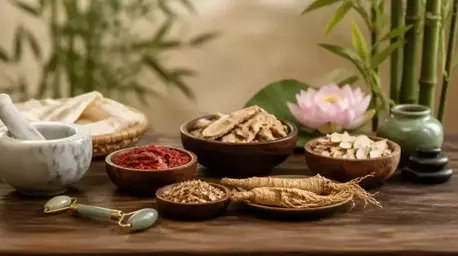
Acupuncture is often used in conjunction with herbal medicine, creating a synergistic effect that enhances healing. While acupuncture focuses on addressing the flow of Qi, herbal medicine provides the nutrients and healing properties needed for recovery.
This connection allows practitioners to offer personalized treatment plans that cater to individual needs, ensuring comprehensive care for patients. At Qi Paths, we celebrate this holistic approach and encourage our community to explore the benefits of both acupuncture and herbal remedies.
Acupuncture’s Journey Beyond China
As acupuncture gained recognition, its influence spread far beyond the borders of China. The journey of acupuncture to Europe and the United States began in the 16th century, where it was met with both curiosity and skepticism.
Modern acupuncture has adapted and integrated into Western medicine, showcasing its versatility and relevance in various healthcare settings. In our next section, we will explore this fascinating journey and the challenges it has faced along the way.
Spread to Europe and the United States (16th-20th Century)
Acupuncture made its way to Europe and the United States through various channels, including trade and cultural exchanges. This dissemination introduced a new audience to its potential benefits. Significant milestones during this period included:
- Early translations of acupuncture texts
- Demonstrations by traveling acupuncturists
- Growing interest in alternative medicine
These developments laid the groundwork for wider acceptance and integration of acupuncture in Western healthcare.
Modern Integration: Acupuncture in Western Medicine
Today, acupuncture is recognized as a valuable complementary therapy within Western medicine. Hospitals and clinics increasingly incorporate it into treatment plans for pain management, stress relief, and overall wellness. This growing acceptance reflects a shift toward a more holistic view of patient care.
As acupuncture continues to gain credibility in the medical community, more practitioners are pursuing formal training and certification. This trend contributes to a more informed understanding of how acupuncture can fit into contemporary healthcare practices.
Acupuncture Schools and Training in the West
The establishment of acupuncture schools in the West has been pivotal in promoting proper education and training for future practitioners. These institutions focus on:
- Comprehensive acupuncture theory and techniques
- Integrating TCM principles with Western medical knowledge
- Hands-on clinical experience
This educational framework ensures that students graduate with a strong foundation, enabling them to provide effective and safe treatments for their patients.
Contemporary Perspectives and Research on Acupuncture
In our modern world, acupuncture continues to be a topic of interest and research. Clinical studies and ongoing investigations help to solidify its place in both traditional and alternative healing practices. For specific insights into its application for chronic pain, read more about acupuncture for chronic pain relief.
As interest in evidence-based medicine grows, researchers focus on assessing the efficacy of acupuncture for various conditions. This research can help bridge the gap between ancient practices and contemporary healthcare needs.
Clinical Evidence and Standardization Challenges
While numerous studies have demonstrated acupuncture's effectiveness for pain relief and other health issues, challenges remain in standardizing treatment protocols. The variability in methods, techniques, and individual patient responses complicates the establishment of universal guidelines.
Despite these challenges, the clinical evidence supporting acupuncture's benefits continues to grow, encouraging practitioners and researchers alike to explore its potential further.
The Role of NIH and Other Institutions in Acupuncture Research
The National Institutes of Health (NIH) and various global organizations are actively involved in acupuncture research. They aim to:
- Fund clinical trials
- Develop guidelines for safe practice
- Educate healthcare professionals about acupuncture
This commitment to research is vital for the continued integration of acupuncture into mainstream healthcare.
Evidence-Based Research on Pain Management and Chronic Illness
Recent studies highlight acupuncture's effectiveness in managing pain and chronic illnesses. Conditions such as arthritis, migraines, and lower back pain have shown promising results following acupuncture treatment.
As we gather more evidence, it becomes increasingly clear that acupuncture is not only a valuable practice but also a critical part of a holistic approach to health.
Addressing Content Gaps and Unique Perspectives
As we delve deeper into the rich history of acupuncture, it's essential to address lesser-known aspects and perspectives that contribute to our understanding of this practice. From its non-Chinese origins to the cultural roles it has played, these elements add depth to our knowledge of acupuncture.
At Qi Paths, we aim to explore and share these unique viewpoints, encouraging readers to broaden their understanding of acupuncture and its place in the world of healing.
Non-Chinese Origins: The Ice Man Speculation
One intriguing aspect of acupuncture's history is the speculation surrounding its non-Chinese origins. For instance, the discovery of Ötzi the Iceman, a frozen mummy found in the Alps, revealed that he had tattoos located at acupuncture points. This has led to theories suggesting that acupuncture or similar practices may have existed in other cultures as well.
Such discoveries challenge us to think beyond traditional narratives and recognize the global roots of healing practices.
Cultural Roles and Gender Perspectives in Acupuncture History
Another layer to consider is the cultural and gender roles that have shaped acupuncture's history. Throughout the centuries, women have played significant roles in the practice of acupuncture, often as primary caregivers in their families and communities.
By recognizing these contributions, we can appreciate the diverse perspectives that enrich the practice of acupuncture and its ongoing evolution.
Comparative Analysis: Acupuncture and Ayurveda/Shamanism
Finally, a comparative analysis between acupuncture, Ayurveda, and shamanism reveals interesting similarities and differences in healing philosophies. All three systems emphasize balance and energy flow, yet they approach treatment from unique cultural lenses.
Exploring these connections not only enhances our understanding of acupuncture but also fosters a greater appreciation for the diverse healing traditions that exist worldwide.
Pro Tip
Did you know? Incorporating acupuncture into your wellness routine can enhance the effects of other holistic practices. For instance, combining acupuncture with mindfulness techniques, like meditation or breathing exercises, may improve overall stress management and emotional balance. By fostering a synergy between different healing modalities, you can maximize the benefits of your wellness journey.
Frequently Asked Questions About Acupuncture's History and Practice
Here are some common questions about acupuncture, its origins, and its role in modern health:
- What are the earliest known origins of acupuncture?
- Acupuncture's origins trace back to prehistoric times, around 2500 BCE, with early practitioners using simple tools like sharp stones and bones to stimulate points on the body.
- What is the significance of the Huangdi Neijing in acupuncture?
- The Huangdi Neijing (Yellow Emperor's Inner Canon), written around the 3rd century BCE, is a foundational text that codified essential theories and practices of Chinese medicine, including meridians, Qi, and acupuncture techniques. It remains a cornerstone for modern acupuncture education.
- How did the Ming Dynasty contribute to the development of acupuncture?
- The Ming Dynasty (1368-1644) was a turning point for acupuncture, as practices were codified and standardized. This included the creation of detailed acupuncture charts, standardization of acupoints, and the publication of key texts, ensuring the continuity and preservation of knowledge.
- What are meridians and Qi, and why are they important in acupuncture?
- Meridians are pathways through which vital energy, known as Qi, flows throughout the body. In acupuncture, these pathways connect organs and systems. Imbalances or blockages in Qi flow are believed to cause illness, and acupuncture aims to restore this balance by stimulating specific points along the meridians.
- Is acupuncture recognized in Western medicine today?
- Yes, acupuncture is increasingly recognized as a valuable complementary therapy within Western medicine. It is incorporated into treatment plans in hospitals and clinics for conditions like pain management, stress relief, and overall wellness, and ongoing research continues to support its efficacy.
Summarizing the Journey of Acupuncture in Chinese Medicine
As we reflect on the incredible journey of acupuncture, it’s clear that this ancient practice has profoundly influenced wellness and health. Understanding its historical development helps us appreciate acupuncture's long-standing role in Chinese medicine and how it has evolved over the centuries. From the early practices grounded in prehistoric traditions to its codification during the Ming Dynasty, every chapter reveals a rich tapestry of knowledge, beliefs, and cultural significance.
One of the most fascinating aspects is the importance of historical texts like the Huangdi Neijing, which not only shaped acupuncture but also laid the foundation for modern Traditional Chinese Medicine (TCM). These texts serve as a bridge connecting the ancient wisdom of acupuncture to our current understanding, highlighting its relevance in today’s health conversations.
Understanding the Impact of Acupuncture's Historical Development
When we delve into the historical significance of acupuncture, we see how its evolution has directly impacted modern practices. Acupuncture is not just a method of treatment; it’s a philosophy that integrates the balance of Qi and the intricate understanding of human anatomy. This historical context enriches our appreciation for the art and science behind each needle placement.
The relevance of acupuncture in today’s global health landscape cannot be overstated. As more people seek holistic approaches to wellness, acupuncture stands out for its ability to address various ailments, from chronic pain to emotional well-being. It resonates with individuals who wish to explore alternatives to Western medicine. For more information on this topic, read our article on acupuncture's place in wellness today.
- Connection to ancient healing traditions
- Holistic approach to health and wellness
- Integration with modern health practices
The Significance of Historical Texts and Practices
Historical texts are vital in understanding the evolution of acupuncture. They provide insights into the practices, beliefs, and techniques used by ancient practitioners. The Huangdi Neijing remains one of the most important texts, offering a comprehensive view of acupuncture theories and practices that continue to inform contemporary methods.
Moreover, the practices documented in these texts illustrate the cultural and philosophical underpinnings of acupuncture. They tell stories of how ancient healers viewed health as a dynamic balance of energies, a perspective that is just as relevant today.
Encouraging Further Exploration of Acupuncture
Are you curious about acupuncture but have questions or concerns? You're not alone! Many people wonder about its effectiveness, safety, and how it actually works. This curiosity is part of the journey, and I invite you to explore it further.
Common myths and questions about acupuncture include:
- Does acupuncture hurt?
- How many sessions will I need?
- Can acupuncture help with my specific condition?
Don’t hesitate to ask questions. Your understanding of these practices can open doors to new possibilities for health and healing.
Invitation to Engage: Share Your Experiences with Acupuncture
I would love to hear from you! Have you tried acupuncture? What was your experience like? Sharing your stories not only enriches our community at Qi Paths but also helps others who may be hesitant about taking their first step into acupuncture.
Engagement fosters connection and understanding, so please feel free to comment or reach out. Together, we can create a space for sharing and learning.
Concluding Thoughts on Acupuncture's Legacy
As we look towards the future, acupuncture’s place in holistic medicine seems more promising than ever. Its legacy continues to unfold, demonstrating its adaptability and relevance in modern health discussions. Embracing acupuncture as part of a holistic approach to wellness offers a pathway to achieve balance and harmony in our lives.
Additionally, therapies such as acupressure, moxibustion, and cupping therapy are gaining recognition. These practices complement acupuncture and reflect the diverse methods available within TCM to enhance health and well-being. For more details on complementary therapies, consider reading about acupuncture for better sleep quality.
- Broader integration of TCM practices
- Increased focus on patient-centered care
- Growing acceptance in mainstream medicine
Now is the perfect time to explore more about acupuncture and TCM. Whether you’re considering treatment or simply curious, I encourage you to delve deeper into these ancient yet impactful practices. Let's embark on this journey together with Qi Paths as your guide!
Recap of Key Points
Here is a quick recap of the important points discussed in the article:
- Acupuncture has ancient roots, dating back to prehistoric practices around 2500 BCE, utilizing simple tools made from natural materials.
- The concepts of meridians and Qi are fundamental to acupuncture, serving as pathways for energy flow and influencing health.
- Key historical texts, such as the Huangdi Neijing, have shaped acupuncture practices and continue to guide modern understanding.
- Acupuncture evolved significantly through Chinese dynasties, particularly during the Ming Dynasty when practices were codified and standardized.
- Acupuncture plays a vital role in Traditional Chinese Medicine (TCM), promoting holistic health and complementing other therapies like herbal medicine.
- In contemporary settings, acupuncture is increasingly recognized as an effective complementary therapy in Western medicine, especially for pain management and stress relief.
- Ongoing research and clinical studies are essential for standardizing acupuncture practices and validating its efficacy in modern healthcare.