Acupuncture for Mental Health Support

Have you ever wondered how an ancient practice rooted in Chinese medicine can support modern emotional well-being? Acupuncture is gaining traction as a viable method for addressing mental health concerns, offering a holistic approach that many are beginning to embrace.
What You Will Learn
- Acupuncture is a historical practice that balances the body's energy, known as *Qi*, to promote emotional and mental wellness.
- Research indicates that acupuncture can significantly reduce symptoms of depression and anxiety, enhancing overall emotional stability.
- Acupuncture can complement traditional mental health treatments, improving patient outcomes and reducing medication side effects.
- The practice stimulates neurotransmitters like serotonin and endorphins, playing a crucial role in mood regulation and emotional well-being.
- Acupuncture offers a low-risk, effective alternative for individuals wary of conventional medications, often resulting in minimal discomfort.
- Holistic benefits of acupuncture extend beyond mental health, contributing to improved physical wellness and quality of life.
- Community workshops and tailored treatment approaches can enhance awareness and accessibility of acupuncture for diverse populations.
- Continued research is necessary to understand the long-term efficacy of acupuncture and its place alongside emerging therapies like ketamine and psilocybin.
Clinical Evidence Supporting Acupuncture for Mental Health
Research indicates significant positive outcomes for mental health treatment through acupuncture.
Significant Reductions in Symptoms
- Reduction in anxiety levels
- Enhanced mood stabilization
- Improved sleep quality
Mechanisms of Action
- Regulation of neurotransmitters (serotonin and endorphins)
- Alterations in brain activity linked to emotional regulation
- Activation of natural painkillers through nerve stimulation
Integration with Standard Care
- Improved response to psychotherapy
- Reduced side effects of medications
- Increased adherence to treatment plans
Holistic Benefits of Acupuncture
- Increased mindfulness and awareness
- Greater emotional resilience
- Improved relationships and social connections
The Role of Acupuncture in Mental Health Treatment: An Evidence-Based Perspective
At Qi Paths, we believe in the profound impact acupuncture can have on mental health. Have you ever been curious about how this ancient practice, rooted in Chinese medicine, can support emotional well-being? Let's explore the role of acupuncture in mental health treatment, backed by evidence and enriched by personal stories.
Understanding Acupuncture in Mental Health Therapy
Defining Acupuncture and Its Historical Context
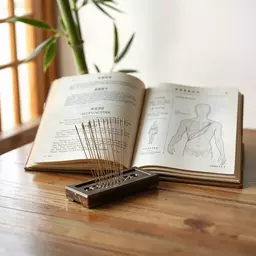
Acupuncture is an ancient healing technique that involves inserting thin needles into specific points on the body, known as acupoints. This practice has been used for thousands of years in China, not just for physical ailments but also for emotional and mental health. By balancing the body's energy, or *Qi*, acupuncture aims to restore harmony and promote overall wellness. You can learn more about understanding traditional Chinese medicine and its foundational principles.
Historically, acupuncture has played a vital role in traditional Chinese medicine, where it was believed that mental health issues stemmed from imbalances in the body's energy. Today, we see a renewed interest in how these age-old practices can offer solutions for modern mental health challenges. What if this ancient approach could be just what you need for your own well-being?
The Growing Interest in Alternative Therapies for Mental Health
In recent years, many people have turned to alternative therapies, including acupuncture, to address mental health concerns. This shift reflects a broader desire for holistic approaches that focus on the entire person—body, mind, and spirit. With increasing awareness of mental health issues, individuals are seeking ways to complement conventional treatments with natural methods.
- Growing dissatisfaction with traditional medications
- Desire for holistic and preventive approaches
- Increased acceptance of alternative therapies by healthcare providers
As a practitioner, I’ve seen firsthand how acupuncture can guide individuals on their healing journeys. It’s not just about treating symptoms; it’s about fostering a deeper connection with oneself and promoting emotional balance.
Clinical Evidence Supporting Acupuncture for Mental Health
Significant Reductions in Depression and Anxiety: Key Findings
Eager to know if acupuncture really works for mental health? Research shows that acupuncture can lead to significant reductions in symptoms of depression and anxiety. Studies have demonstrated that patients often report feeling calmer and more centered after treatments, which can be life-changing for those struggling.
One important study highlighted a notable decrease in anxiety levels among participants receiving regular acupuncture sessions. Each treatment seemed to enhance their sense of well-being, allowing them to cope with daily stresses more effectively.
Review of Randomized Controlled Trials (RCTs) and Meta-Analyses
Several randomized controlled trials and meta-analyses have confirmed the efficacy of acupuncture in treating mental health disorders. These studies consistently show positive outcomes for patients, making a strong case for acupuncture as a viable therapy option.
- Improved sleep quality in anxiety patients
- Enhanced mood stabilization in depression sufferers
- Reduction of stress levels in high-pressure environments
At Qi Paths, I’m passionate about sharing these findings to empower our community. Understanding the evidence can help demystify acupuncture and invite more people to explore its benefits.
Mechanisms of Action: How Acupuncture Influences Mental Health
Neurotransmitter Regulation: Serotonin and Endorphins
So, how does acupuncture work on a physiological level? One of the key mechanisms is its ability to regulate neurotransmitters like serotonin and endorphins. These chemicals play a vital role in mood regulation and emotional well-being. By stimulating specific acupoints, acupuncture can boost the production of these feel-good hormones, leading to improved mental health.
This regulation helps create a balanced emotional state, allowing individuals to face challenges with greater resilience. Isn’t it fascinating how a simple needle can trigger such profound changes?
Impact on Brain Activity: Amygdala and Insula Connectivity
Research has shown that acupuncture can alter brain activity in areas associated with emotional processing, like the amygdala and insula. These changes can lead to reduced anxiety and improved emotional regulation. By affecting how the brain processes stress and emotions, acupuncture contributes to a more serene mental state.
- Enhanced connectivity within brain networks
- Reduced hyperactivity in stress-related areas
- Improved emotional resilience
At Qi Paths, I witness these changes in my patients regularly, as they describe a newfound sense of peace and emotional clarity.
Nerve Stimulation and Acupoints: Pathways to Well-Being
Acupuncture stimulates nerves at specific sites, activating pathways that enhance overall well-being. This stimulation can lead to the release of natural painkillers and mood elevators within the body. It’s a beautiful reminder that our bodies are capable of healing themselves! Through targeted treatments, we can tap into these pathways and encourage a healthier mental state. For those looking for relief from chronic conditions, acupuncture for chronic pain relief can be particularly beneficial.
By exploring these mechanisms, we see how acupuncture is not merely a treatment but a comprehensive approach to supporting mental health. The journey toward emotional balance can be deeply transformative and rewarding.
Acupuncture as a Complementary Treatment Approach
Integration with Standard Care: Enhancing Traditional Treatments
Many individuals find that acupuncture complements traditional mental health treatments, like therapy and medication. By integrating these approaches, patients can experience a more holistic healing journey. This integration often enhances the effectiveness of standard care and contributes to better overall outcomes.
- Improved response to psychotherapy
- Reduced side effects of medication
- Enhanced motivation for treatment adherence
As a practitioner, I advocate for a collaborative approach that respects both traditional and alternative methods. It’s all about finding what works best for each individual!
Low Side Effects: A Safer Option for Many Patients
One significant advantage of acupuncture is its low risk of side effects compared to conventional medications. Many patients report feeling relaxed and rejuvenated after sessions, with minimal discomfort during treatments. This makes acupuncture an attractive option for those wary of medication side effects.
As we explore mental health treatments together, it’s essential to consider options that align with your values and comfort levels. Acupuncture offers a safe, effective alternative for many seeking relief.
Holistic Therapy and Emotional Regulation: Broader Benefits
Acupuncture promotes emotional regulation by addressing underlying imbalances in the body. This holistic approach benefits not only mental health but also physical wellness, leading to a more comprehensive healing experience. Patients often notice improvements in their overall quality of life, including better sleep, reduced stress, and enhanced emotional stability.
- Increased mindfulness and awareness
- Greater emotional resilience
- Improved relationships and social connections
This is the beauty of acupuncture—it embraces the interconnectedness of body and mind, fostering a sense of wholeness.
Unique Perspectives: Pain-Mental Health Comorbidity
Exploring the Connection Between Chronic Pain and Mental Health Disorders
It's essential to recognize the intricate relationship between chronic pain and mental health disorders. Many individuals experiencing chronic pain also face anxiety or depression, creating a cycle that can be challenging to break. Acupuncture can help address both issues simultaneously, offering relief for pain while promoting emotional well-being.
This dual approach allows patients to tackle their challenges more effectively, making acupuncture a valuable addition to their treatment plans.
Somatic Therapy for Trauma and PTSD: Acupuncture's Role
Acupuncture also plays a role in somatic therapy for trauma and PTSD. By addressing the physical manifestations of stress and trauma in the body, acupuncture can help release pent-up emotions and promote healing. This is particularly beneficial for individuals seeking to navigate and heal from past experiences.
- Reduces hyperarousal symptoms
- Promotes relaxation and safety
- Facilitates emotional release
At Qi Paths, I’ve witnessed many patients experience profound transformations as they work through their trauma with the help of acupuncture.
Pain Management Strategies: The Role of Acupuncture in Recovery
For those in recovery from physical or emotional trauma, acupuncture can serve as an effective pain management strategy. By alleviating both physical pain and emotional distress, acupuncture contributes to a more holistic recovery process. It’s amazing to see how a few carefully placed needles can facilitate healing across multiple dimensions of well-being!
As we continue to explore the benefits of acupuncture, I invite you to consider how it may help in your own journey toward healing and balance.
Addressing Content Gaps in Current Research
Long-Term Efficacy Beyond Initial Sessions
While many studies demonstrate the short-term benefits of acupuncture for mental health, there is a need for more research on its long-term efficacy. Understanding how these treatments can sustain benefits over time is crucial for patients and practitioners alike. This ongoing investigation can help solidify acupuncture's role in mental health care.
By addressing these gaps, we can further establish acupuncture as a reliable option for those seeking support in their mental health journeys.
Comparative Analysis with Emerging Therapies: Ketamine and Psilocybin
As new therapies like ketamine and psilocybin gain attention for treating mental health disorders, it's vital to compare their effectiveness with acupuncture. While these emerging treatments offer exciting possibilities, acupuncture remains a time-tested, low-risk alternative worth considering.
- Exploring synergistic effects with new therapies
- Understanding patient preferences and experiences
- Evaluating long-term outcomes of different approaches
By continuing to explore these areas, we can enhance patient care and ensure that individuals receive the best possible support.
Evidence-Based Practice: Enhancing Patient Outcomes
At Qi Paths, I believe in the importance of evidence-based practice. By integrating research findings into our treatment plans, we can improve patient outcomes and foster a deeper understanding of acupuncture’s potential. Collaborating with researchers and practitioners helps us stay at the forefront of mental health care. For more information on how acupuncture can improve your sleep, check out our article on acupuncture for better sleep quality.
As we share knowledge and experiences, we strengthen our community and empower individuals on their wellness journeys.
Patient Testimonials and Case Studies
Real-Life Experiences: Success Stories from Acupuncture Patients
One of the most rewarding aspects of my work is hearing the success stories from patients who have embraced acupuncture for their mental health. Many have shared how it transformed their lives, providing relief from anxiety and depression when other treatments failed. These testimonials highlight the importance of exploring multiple avenues for healing.
It’s inspiring to know that acupuncture can make such a significant difference in people’s lives. Have you experienced similar transformations? I’d love to hear your story!
Protocols for Specific Disorders: Tailoring Acupuncture Treatment
Each individual’s journey is unique, and acupuncture treatment protocols can be tailored to meet specific needs. For example, someone dealing with anxiety may benefit from different acupoint selection compared to someone facing depression. This personalized approach ensures that we address each patient's emotional landscape effectively.
- Customized treatment plans based on individual needs
- Regular assessments to monitor progress
- Incorporating patient feedback into treatment
At Qi Paths, we take pride in crafting these personalized experiences, fostering a supportive environment for everyone who walks through our doors.
Quick Summary
Here's a brief recap of the key points discussed so far:
- Acupuncture is an ancient practice that promotes mental well-being by balancing the body's energy.
- Recent studies highlight its efficacy in reducing symptoms of depression and anxiety.
- Acupuncture serves as a complementary treatment, enhancing traditional therapies with minimal side effects.
- Its holistic approach not only addresses mental health but also improves physical wellness.
Frequently Asked Questions About Acupuncture for Mental Health
- Q: What is acupuncture and how does it relate to mental health?
- A: Acupuncture is an ancient Chinese healing technique involving the insertion of thin needles into specific body points to balance the body's energy (*Qi*). In mental health, it aims to restore harmony, reduce symptoms of depression and anxiety, and promote overall emotional well-being.
- Q: Is there scientific evidence that acupuncture helps with mental health issues?
- A: Yes, research, including randomized controlled trials and meta-analyses, indicates significant positive outcomes for mental health treatment through acupuncture. Studies show reductions in symptoms of depression and anxiety, improved sleep quality, and enhanced mood stabilization.
- Q: How does acupuncture physiologically impact mental health?
- A: Acupuncture influences mental health by regulating neurotransmitters like serotonin and endorphins, which are crucial for mood regulation. It also alters brain activity in areas associated with emotional processing, such as the amygdala and insula, leading to reduced anxiety and improved emotional regulation.
- Q: Can acupuncture be used alongside traditional mental health treatments?
- A: Absolutely. Acupuncture is often used as a complementary treatment. It can enhance the effectiveness of psychotherapy, reduce the side effects of conventional medications, and improve patient adherence to treatment plans, leading to a more holistic healing journey.
- Q: What are the benefits of choosing acupuncture over conventional medications?
- A: A significant advantage of acupuncture is its low risk of side effects compared to many conventional medications. Patients often report feeling relaxed after sessions with minimal discomfort. It offers a safe and effective alternative for those concerned about medication side effects.
- Q: Does acupuncture help with chronic pain that co-occurs with mental health issues?
- A: Yes, acupuncture can address both chronic pain and mental health disorders simultaneously. Many individuals experiencing chronic pain also suffer from anxiety or depression, and acupuncture can offer relief for pain while promoting emotional well-being, breaking the cycle of comorbidity.
Future Directions for Acupuncture in Mental Health Treatment
As we look ahead, it's crucial to explore how acupuncture can cater to a diverse range of populations. At Qi Paths, we understand that the effectiveness of this ancient practice can vary based on age, culture, and individual needs. By adapting acupuncture techniques for different groups, we can enhance accessibility and ensure that more individuals benefit from this holistic approach.
Considerations for Diverse Populations
Pediatric and geriatric patients require special considerations when it comes to acupuncture. For children, gentle techniques and shorter sessions are often more appropriate, while older adults may benefit from customized approaches that address their unique health concerns. This flexibility allows practitioners to meet patients where they are, both physically and emotionally. To find out more about where to get trusted care, consider visiting a trusted acupuncture clinic.
Cultural adaptations also play a vital role in the acceptance and effectiveness of acupuncture. By integrating practices from various global traditions, we can create a more inclusive environment that respects the diverse backgrounds of our patients. Here are some examples of how these adaptations can look:
- Incorporating local herbs and practices into treatment plans.
- Utilizing specific communication styles that resonate with different cultural groups.
- Offering community workshops to educate and engage local populations.
Community Workshops and Support Groups: Building Awareness
Community outreach initiatives are essential for elevating awareness about acupuncture's benefits. Organizing workshops not only educates the public but also fosters connections among individuals seeking holistic options for mental health. These gatherings can serve as a support network, providing a space for sharing experiences and learning from one another.
Cost-Effectiveness and Accessibility of Acupuncture
Understanding the economic benefits of integrating acupuncture into traditional healthcare can significantly influence its future. Many studies suggest that acupuncture can lower overall healthcare costs by reducing the need for pharmaceuticals and invasive procedures. This cost-effectiveness makes it an attractive option for patients and healthcare providers alike.
Accessibility is another crucial factor to consider. As acupuncture gains traction in the mental health sphere, it’s important to examine how insurance coverage impacts patient access. Initiatives to expand insurance benefits for acupuncture can lead to:
- Increased patient participation in holistic therapies.
- Greater awareness and acceptance among healthcare professionals.
- Improved health outcomes for individuals who may not have access otherwise.
Addressing FAQs: Acupuncture vs. Conventional Medications
Many patients have common concerns when considering acupuncture as an alternative to conventional medications. Misconceptions about acupuncture can create barriers to treatment. At Qi Paths, we strive to demystify these ideas by providing clear, evidence-based responses to frequently asked questions. Here are a few common questions:
- Is acupuncture painful? Most patients report minimal discomfort.
- How long does a treatment session last? Sessions typically last between 20 to 60 minutes.
- How many sessions are needed for effective results? This can vary depending on individual conditions, but many find relief after a few sessions.
FAQ Schema: Providing Clear Answers for Readers
By implementing an FAQ schema on our website, we aim to provide concise answers that can aid in reducing anxiety around starting acupuncture. This structured format makes it easier for readers to find the information they need, allowing them to make informed decisions about their mental health treatment.
Conclusive Insights: The Future of Acupuncture in Mental Health
As we assess the direction of acupuncture in mental health, it's clear that it holds great promise as a complementary therapy. For those considering acupuncture treatment, it's essential to approach it with an open mind. Consulting with qualified practitioners who understand both traditional techniques and modern evidence can enhance the experience.
Encouraging collaborative approaches in mental health care can also lead to more comprehensive treatment plans. By integrating acupuncture into standard care protocols, we can address both physical and emotional well-being in a more rounded manner. This partnership in care honors the wisdom of ancient healing while embracing modern advancements.
Call to Action: Continuing the Conversation on Acupuncture
I invite you to share your experiences and insights about acupuncture! Have you found relief through this practice, or do you have questions that remain unanswered? Your stories enrich our community at Qi Paths and help others who may be hesitant to explore this healing art. Let’s continue this conversation together!
Additionally, I encourage you to explore further resources and studies on acupuncture’s impact on mental health. Staying informed not only empowers you but also strengthens the collective knowledge within our community. Together, we can pave the way for a healthier, more holistic future!
Recap of Key Points
Here is a quick recap of the important points discussed in the article:
- Acupuncture is an ancient practice that balances the body's energy, or *Qi*, and promotes overall wellness, including mental health.
- Research shows significant reductions in symptoms of depression and anxiety through acupuncture treatments, supported by clinical evidence from randomized controlled trials.
- Acupuncture regulates neurotransmitters like serotonin and endorphins, impacting mood and emotional well-being.
- It can enhance traditional mental health treatments, improving outcomes and reducing medication side effects.
- Acupuncture addresses the comorbidity of chronic pain and mental health disorders, offering dual relief.
- Future research is needed to understand the long-term efficacy of acupuncture and its comparative effectiveness with emerging therapies.
- Community awareness and accessibility initiatives are crucial for integrating acupuncture into standard mental health care.