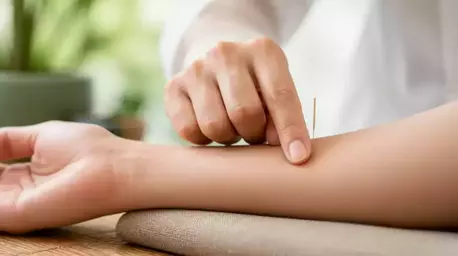
Acupuncture for Sports Injury Recovery

Acupuncture has transformed from an ancient healing practice into a vital component of modern sports medicine, enabling athletes to recover effectively from injuries while enhancing their performance. Are you ready to discover how this ancient art can influence your athletic journey?
What You Will Learn
- Acupuncture promotes healing by restoring the body’s energy flow, known as *Qi*, which is crucial for injury recovery.
- Common injuries treated with acupuncture include sprains, strains, tendonitis, and fractures, aiding athletes in returning to their sport faster.
- The practice helps alleviate pain and inflammation by stimulating the nervous system and releasing endorphins, enhancing the rehabilitation process.
- Acupuncture can target *trigger points*, addressing muscle tightness to improve flexibility and overall performance for athletes.
- While generally safe, acupuncture does have potential risks, including minor discomfort and side effects; consulting a healthcare provider is essential.
- Understanding insurance coverage for acupuncture is important, as many policies are beginning to recognize and include it as a treatment option.
- Acupuncture can be a cost-effective treatment compared to more invasive procedures, contributing to shorter recovery times and reduced medication needs.
Benefits of Acupuncture for Sports Injuries
Acupuncture offers significant advantages in the recovery from sports injuries, such as pain relief and inflammation reduction. Below, key aspects of its effectiveness are illustrated.
Key Benefits
- Pain Relief
- Reduced Inflammation
- Faster Recovery Times
Common Sports Injuries Treated
- Sprains and Strains
- Tendonitis
- Fractures
Acupuncture Mechanism
Stimulates the nervous system, releasing endorphins for pain relief and restoring energy flow (Qi).
Insurance Coverage Considerations
Check with providers for coverage on acupuncture; often recognized as beneficial for recovery.
Understanding Acupuncture's Role in Sports Injury Treatment
Acupuncture is a fascinating practice that has its roots deeply embedded in ancient Chinese medicine. It involves the insertion of fine needles into specific points on the body to help address various health issues. For centuries, it has been used to promote healing and balance within the body. With its historical significance in treating ailments, it has now found its place in the realm of sports medicine, offering athletes a powerful tool for recovery and performance enhancement.
As I explore the historical use of acupuncture, I can't help but think of how far we've come. Initially, it was seen primarily as a method to alleviate pain and improve overall well-being. However, its application has expanded remarkably within the context of sports medicine. Athletes today are turning to acupuncture not only for injury recovery but also to maintain peak performance. This evolution speaks volumes about the practice's versatility and effectiveness.
Defining Acupuncture and Its Historical Use in Medicine
The origins of acupuncture can be traced back over 2,500 years in China. What began as a mystical practice has evolved into a respected therapeutic technique recognized worldwide. The key to its success lies in its understanding of the body’s energy pathways, known as *Qi* (pronounced "chee"). By stimulating specific points along these pathways, acupuncture aims to restore balance and promote healing.
It’s exciting to see how acupuncture has become a go-to treatment for a variety of conditions in sports medicine! As athletes push their bodies to the limit, they often encounter injuries that require effective recovery strategies. Acupuncture's ability to reduce pain and inflammation makes it a valuable addition to traditional rehabilitation methods. To learn more about how acupuncture works, you can explore understanding traditional Chinese medicine.
Acupuncture in the Context of Sports Medicine
In the world of sports, injuries can happen unexpectedly, whether you're a weekend warrior or a seasoned competitor. Some common injuries treated with acupuncture include:
- Sprains and strains
- Tendonitis
- Fractures
Each of these injuries can benefit from the attention acupuncture provides, helping athletes return to their game faster and with fewer complications.
How Acupuncture Facilitates Recovery from Sports Injuries
Now, let’s delve into how acupuncture actually aids in recovery. One of its key mechanisms involves reducing *inflammation* and managing *pain*. When needles are inserted into specific points, they stimulate the nervous system, prompting the release of pain-relieving chemicals such as endorphins. This process can greatly alleviate the discomfort associated with sports injuries, allowing for a more comfortable rehabilitation journey.
The idea of *Qi* is also integral to healing. In Chinese medicine, it is believed that our bodies have a natural energy flow that, when disrupted, can lead to pain and injury. Acupuncture helps restore this flow, enhancing the body’s ability to heal itself. This perspective is essential in understanding why many athletes swear by acupuncture as part of their recovery protocol. For a deeper dive into the concept of Qi, consider reading about Qi principles for wellness.
Understanding Qi and Energy Flow in the Healing Process
In my practice at Qi Paths, I've observed firsthand how athletes respond to acupuncture. Many report feeling a deep sense of relaxation and a renewed sense of well-being after treatment. This is because acupuncture doesn’t just target physical symptoms; it addresses the underlying energy imbalances that may contribute to pain and injury.
Exploring Trigger Points and Myofascial Pain Syndrome
Another important aspect of acupuncture in sports treatment is its ability to target *trigger points*, which are tight knots in muscles. These can cause significant discomfort and reduce an athlete’s performance. By focusing on these areas, acupuncture not only alleviates pain but also improves flexibility and range of motion.
As we dive deeper into the world of acupuncture, it’s clear that this ancient practice offers modern athletes a holistic way to recover from injuries and enhance their performance! Have you ever considered how these techniques might fit into your own athletic journey? Let's keep exploring the benefits together!
Pro Tip
Did you know? To maximize the benefits of acupuncture in your sports recovery, consider combining it with other therapies such as physical therapy and proper nutrition. This holistic approach can enhance the healing process and improve your overall performance.
Addressing Concerns: Risks and Side Effects of Acupuncture
Acupuncture, while a beneficial therapy, does come with its share of concerns. It's essential to address these to provide a well-rounded view of the practice. One common area of concern revolves around the potential risks associated with acupuncture. While most people find acupuncture to be a safe and effective treatment, understanding the side effects and when it may not be suitable for you is crucial.
Some individuals may experience minor discomfort during their acupuncture sessions, which can include dizziness or a feeling of light-headedness. These side effects are generally short-lived and can often be alleviated by ensuring proper hydration before and after treatment. However, if you ever feel uneasy, it's important to communicate this to your practitioner.
Understanding Potential Risks
It's important to know when acupuncture might be contraindicated. Certain conditions can make acupuncture less advisable. Here are some instances when you should avoid it:
- Pregnancy - Some acupuncture points may induce contractions.
- Bleeding disorders - Those with conditions affecting blood clotting should exercise caution.
- Infection - Open wounds or skin infections should not be treated with acupuncture.
Always consult with a healthcare provider before beginning any new treatment, especially if you have ongoing medical issues. At Qi Paths, we emphasize listening to your body and speaking openly about any concerns you have. Your safety and comfort are our top priority!
Insurance Coverage and Accessibility
Another common concern I hear is about insurance coverage for acupuncture treatments, especially for sports injuries. It's vital to check with your insurance provider to see what is included in your plan. Many policies are increasingly recognizing the benefits of acupuncture and offer some coverage. However, it's best to clarify the specifics beforehand. For more information on finding a qualified practitioner, you can visit a trusted acupuncture clinic.
While acupuncture can sometimes seem like an additional expense, consider the cost-effectiveness of treatment. When compared to more invasive procedures or medications, acupuncture can be a more affordable option in the long run. Here are a few factors to consider:
- Reduced need for pain medication.
- Shorter recovery times for injuries.
- Decreased number of missed workdays or training sessions.
At Qi Paths, we believe in making acupuncture accessible and understanding its value not just as a treatment, but as a key player in your overall wellness journey. Ready to explore this ancient practice? Our community is here to support you every step of the way!
Frequently Asked Questions About Acupuncture for Sports Injuries
Conclusion and Future Considerations
To wrap up, addressing concerns about acupuncture is an integral part of embracing its benefits. Remember, being informed about potential risks and understanding insurance coverage can empower you to make the best choices for your health. Have you considered how acupuncture could fit into your wellness plan? It's worth exploring!
I encourage you to delve deeper into acupuncture's role in sports medicine. Consider consulting a professional acupuncturist who can guide you through your specific needs. And hey, if you've had personal experiences with acupuncture, I invite you to share your story! Your insights could make a difference for someone else on a similar path.
Recap of Key Points
Here is a quick recap of the important points discussed in the article:
- Acupuncture is a traditional Chinese therapy that promotes healing by stimulating specific points on the body.
- It has evolved into a valuable treatment in sports medicine, helping athletes recover from injuries and maintain peak performance.
- Common sports injuries treated with acupuncture include sprains, strains, tendonitis, and fractures.
- Acupuncture helps reduce inflammation and manage pain, enhancing the natural healing process.
- Understanding the concept of Qi is crucial, as it relates to energy flow and healing in acupuncture practice.
- Acupuncture can effectively target trigger points to alleviate discomfort and improve flexibility.
- It's important to be aware of potential risks and side effects, such as minor discomfort, dizziness, and contraindications for certain medical conditions.
- Consulting with a healthcare provider before starting acupuncture is essential for safety and comfort.
- Check with your insurance provider regarding coverage for acupuncture treatments, as many policies now recognize its benefits.