Diet's Role in Chinese Medicine
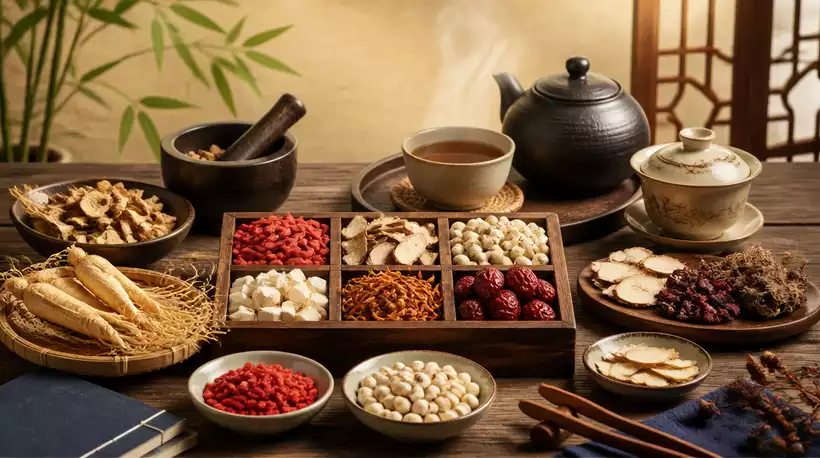
Did you know that the foods you eat can be your best medicine? In Traditional Chinese Medicine (TCM), diet is not just a means of nourishment but a crucial element in maintaining balance and health. Let's uncover how ancient dietary wisdom can enhance your well-being.
What You Will Learn
- TCM emphasizes a holistic approach to health, viewing food as a form of medicine that impacts both physical and emotional well-being.
- Balancing Yin and Yang in your diet is essential; cooling foods like fruits are great in summer, while warming foods like ginger are best in winter.
- Incorporating the Five Elements Theory into your meals can lead to a more balanced diet, connecting specific flavors with organs and emotions.
- Creating a personalized TCM-inspired meal plan can enhance your health; consider a variety of whole foods that align with seasonal changes.
- Using proper cooking techniques, such as steaming and stir-frying, can maximize the nutritional value and energetics of your food.
Core Principles of the TCM Diet: Balancing Energetics
Understanding how various food types fit into Traditional Chinese Medicine helps balance energies for better health. For a deeper dive into the foundations of this ancient practice, explore understanding traditional Chinese medicine.
Yin Foods
Cooling and moistening foods that promote balance in warmer months.
- Cucumbers
- Melons
- Leafy greens
- Fruits
Yang Foods
Warming and energizing foods that support health during colder months.
- Ginger
- Garlic
- Meats
- Cinnamon
The Five Elements
Each element corresponds to specific flavors and food types.
- Wood: Sour foods
- Fire: Bitter foods
- Earth: Sweet foods
- Metal: Spicy foods
- Water: Salty foods
Core Principles
A balanced diet includes whole foods, seasonal choices, and diverse flavors.
- Whole Foods
- Seasonal Choices
- Balance Flavors
The Role of Diet in Traditional Chinese Medicine: An Overview
Welcome to the fascinating world of Traditional Chinese Medicine (TCM)! Diet plays a pivotal role in this holistic approach to health, where food isn't just fuel, but a form of medicine. As we delve into the dietary foundations of TCM, you'll discover how this ancient wisdom can transform the way you think about what’s on your plate. Let's explore together!
Understanding Traditional Chinese Medicine (TCM) and Its Dietary Foundations
Defining TCM and Its Holistic Approach to Health
At its core, TCM is about balance and harmony. It views the body as an interconnected system where each part influences the whole. The goal is to maintain or restore balance, whether through acupuncture, herbal medicine, or dietary choices. This holistic perspective helps us understand that what we eat can significantly impact our overall well-being.
In TCM, health is seen as a dynamic interplay of various elements. Every individual is unique, and so are their dietary needs. This is why integrating personalized diet plans based on TCM principles can lead to profound improvements in health. It's like crafting a recipe for wellness!
The Interconnection of Food and Health in TCM
Food is more than just a source of energy in TCM—it's medicine! The foods we consume influence our energy levels (or Qi), bodily functions, and even our emotions. TCM teaches that different foods have different energetic properties, which can help mitigate imbalances in the body. This means that choosing the right foods can support healing and enhance vitality. For more insights on achieving overall wellness, explore the Qi principles for wellness.
- Whole Foods: Focus on fresh, minimally processed ingredients.
- Seasonal Choices: Eat foods that align with the seasons to support your body’s needs.
- Balance Flavors: Incorporate a variety of tastes—sweet, sour, bitter, spicy, and salty—for overall health.
Core Principles of the TCM Diet: Balancing Energetics
The Concept of Yin and Yang in Food Choices
In TCM, the concept of Yin and Yang is essential for understanding how food affects our health. Foods that are classified as Yin are cooling and moistening, while Yang foods are warming and energizing. Balancing these two energies in your diet can help maintain health and prevent illness.
For instance, during warmer months, you might gravitate towards more Yin foods like cucumbers and melons. Conversely, in the winter, warming Yang foods like ginger and cinnamon can help keep you warm and energized. This balance is a key element in achieving optimal health!
Warming vs. Cooling Foods: What You Need to Know
Understanding the difference between warming and cooling foods can greatly benefit your dietary choices. Here’s a quick breakdown:
- Warming Foods: Ginger, garlic, and meats are great in colder months as they increase circulation and provide energy.
- Cooling Foods: Leafy greens, fruits, and seafood are excellent in the warmer months to help balance the heat in the body.
By consciously choosing foods that align with the changing seasons, you can better support your body's natural rhythms!
Exploring the Five Elements Theory in TCM Diet
The Five Elements Theory is another vital aspect of TCM that influences dietary choices. Each element—Wood, Fire, Earth, Metal, and Water—corresponds to specific flavors, organs, and emotions. By incorporating foods from each element into your diet, you create a balanced approach to nutrition. For further benefits of this holistic approach, consider acupuncture for better sleep quality.
- Wood: Sour foods like vinegar and green apples.
- Fire: Bitter foods such as kale and coffee.
- Earth: Sweet foods like squash and sweet potatoes.
- Metal: Spicy foods including black pepper and ginger.
- Water: Salty foods like seaweed and pickles.
By weaving these elements into your meals, you're not just eating; you're nourishing your body and soul in a deeply connected way.
Quick Summary
Here's a brief recap of the key points discussed so far:
- Traditional Chinese Medicine (TCM) emphasizes the balance of Yin and Yang in dietary choices.
- Food is viewed as medicine, influencing energy levels, bodily functions, and emotions.
- The Five Elements Theory guides food selection based on flavors, organs, and emotional health.
Frequently Asked Questions About the TCM Diet
- What is the main principle of the TCM diet?
- The main principle of the TCM diet is to maintain balance and harmony in the body by consuming foods with specific energetic properties (Yin and Yang) and flavors corresponding to the Five Elements.
- How do Yin and Yang foods differ?
- Yin foods are cooling and moistening (e.g., cucumbers, melons), generally preferred in warmer months. Yang foods are warming and energizing (e.g., ginger, garlic), suitable for colder months.
- What is the Five Elements Theory in TCM diet?
- The Five Elements Theory connects specific flavors (sour, bitter, sweet, spicy, salty) to different organs and emotions. Incorporating foods from all five elements helps achieve a balanced diet.
- Can I create a personalized TCM meal plan?
- Yes, it's encouraged to personalize your TCM meal plan based on your unique constitution and seasonal changes. The article provides a 7-day framework and sample recipes to get started.
- What cooking techniques are preferred in the TCM diet?
- Steaming, boiling, and stir-frying are preferred cooking techniques in TCM as they help retain the nutritional value and energetic properties of ingredients, making them easier to digest and more beneficial.
Creating a Balanced TCM-Inspired Meal Plan
Embarking on a journey toward wellness through Traditional Chinese Medicine (TCM) can be both exciting and rewarding! One of the best ways to embrace these ancient practices is by creating a balanced TCM-inspired meal plan. This week-long framework will help you incorporate TCM principles into your daily meals, enhancing your overall health and well-being.
In this section, I will share with you a practical 7-day TCM diet plan. Each day will feature meals that are thoughtfully designed to balance your body's energies and nourish you holistically. Remember, your diet should reflect your personal constitution and seasonal changes, so feel free to adapt these suggestions to suit your needs!
Weekly Meal Framework: A Practical 7-Day TCM Diet Plan
To kick off your TCM meal planning, here's a simple week-long framework. Each day includes breakfast, lunch, dinner, and snacks aligned with TCM principles.
- Day 1: Warm congee with ginger and dates, stir-fried vegetables, and grilled fish.
- Day 2: Mung bean soup, steamed rice, and sautéed greens with sesame oil.
- Day 3: Rice porridge with sweet potatoes, chicken stir-fry, and a side of pickled vegetables.
- Day 4: Oatmeal with walnuts and goji berries, miso soup, and baked salmon.
- Day 5: Quinoa salad with seasonal vegetables, herbal tea, and grilled tofu.
- Day 6: Steamed egg custard, vegetable broth, and a warm stir-fry of mushrooms and broccoli.
- Day 7: Millet porridge with dried fruit, hearty vegetable stew, and herbal rice.
This meal framework is just a starting point. Feel free to mix and match meals based on your preferences and the ingredients available to you. The important thing is to listen to your body and make choices that resonate with your unique needs!
Sample Recipes for Each Day: Incorporating TCM Principles
Now, let's delve deeper into some delightful recipes that you can try throughout the week. Each recipe focuses on using ingredients that align with TCM principles, bringing balance and nourishment to your diet.
- Ginger and Date Congee: Cook rice with water and add sliced ginger and chopped dates for sweetness. This dish is excellent for warming the body and promoting digestion.
- Mung Bean Soup: Boil mung beans with water, add seasonal vegetables like carrots and spinach, and season with a hint of salt. This soup is cooling and great for detoxification.
- Quinoa Salad: Combine cooked quinoa with chopped cucumbers, bell peppers, and a dressing of sesame oil and lime juice. This dish offers a balance of flavors and nutrients.
These recipes are not only simple to prepare but also allow you to experience the benefits of TCM eating firsthand! Don't hesitate to get creative and add your twists to make them your own.
Portion Guidance and Meal Preparation Tips
As with any diet, portion control is important in TCM. Generally, I recommend filling half your plate with vegetables, one-quarter with protein, and one-quarter with grains. This balanced approach ensures you receive a variety of nutrients needed to support your health.
- Prepare meals in advance to save time and ensure you stick to your meal plan.
- Consider using a slow cooker for soups and stews; this method enhances flavors and maintains the food's energetics!
- Keep a variety of TCM-friendly spices on hand, like ginger, garlic, and turmeric, to boost the health benefits of your dishes.
With these tips, you'll be well on your way to enjoying a fulfilling and balanced TCM-inspired diet!
Cooking Techniques to Enhance Food Energetics
The way we prepare our food can significantly impact its energetics. In TCM, cooking methods such as steaming, boiling, and stir-frying are preferred as they help retain the nutrition and energy of the ingredients.
- Steaming: Preserves nutrients and is a great way to cook vegetables, making them easier to digest.
- Boiling: Ideal for soups and broths, which nourish the body and keep it warm.
- Stir-Frying: Quickly cooks food while sealing in flavors and nutrients, perfect for a quick meal!
By incorporating these cooking techniques, you’ll not only enhance the flavor of your meals but also maximize their health benefits! For additional insights on boosting internal harmony, explore the benefits of Chinese medicinal herbal tea.
Concluding Thoughts: Embracing the TCM Diet for Holistic Health
As we wrap up our exploration of a TCM-inspired meal plan, it's essential to reflect on how this approach to eating can transform your health! Embracing the TCM diet isn't just about food; it's about fostering a deeper connection to your body and well-being.
In summary, incorporating TCM principles into your daily meals can help you achieve balance and vitality. Remember to pay attention to seasonal changes, listen to your body's needs, and enjoy the journey of nourishing yourself.
Call to Action: Start Your Journey with TCM Nutrition
Are you ready to dive into the world of TCM nutrition? I encourage you to take the first step by exploring the resources available on Qi Paths. Together, we can navigate this beautiful journey of health and wellness, embracing the wisdom of ancient practices in our modern lives.
Feel free to reach out or share your experiences with TCM diet; I would love to hear how you’re incorporating these principles into your life! If you're looking for professional guidance, consider visiting a trusted acupuncture clinic.
Recap of Key Points
Here is a quick recap of the important points discussed in the article:
- Holistic Health Approach: TCM emphasizes balance and harmony, viewing diet as a form of medicine that impacts overall well-being.
- Yin and Yang in Diet: Understanding the balance of cooling (Yin) and warming (Yang) foods is crucial for maintaining health throughout the seasons.
- Five Elements Theory: Incorporate foods from the Five Elements (Wood, Fire, Earth, Metal, Water) for a balanced nutritional approach.
- Weekly Meal Planning: Use a structured meal plan to integrate TCM principles, including a variety of seasonal and energetically appropriate foods.
- Cooking Techniques: Prefer methods like steaming, boiling, and stir-frying to preserve the nutrition and energetics of your ingredients.
- Portion Control: Aim for a balanced plate with half vegetables, a quarter protein, and a quarter grains for optimal health benefits.