TCM Techniques for Anxiety Relief
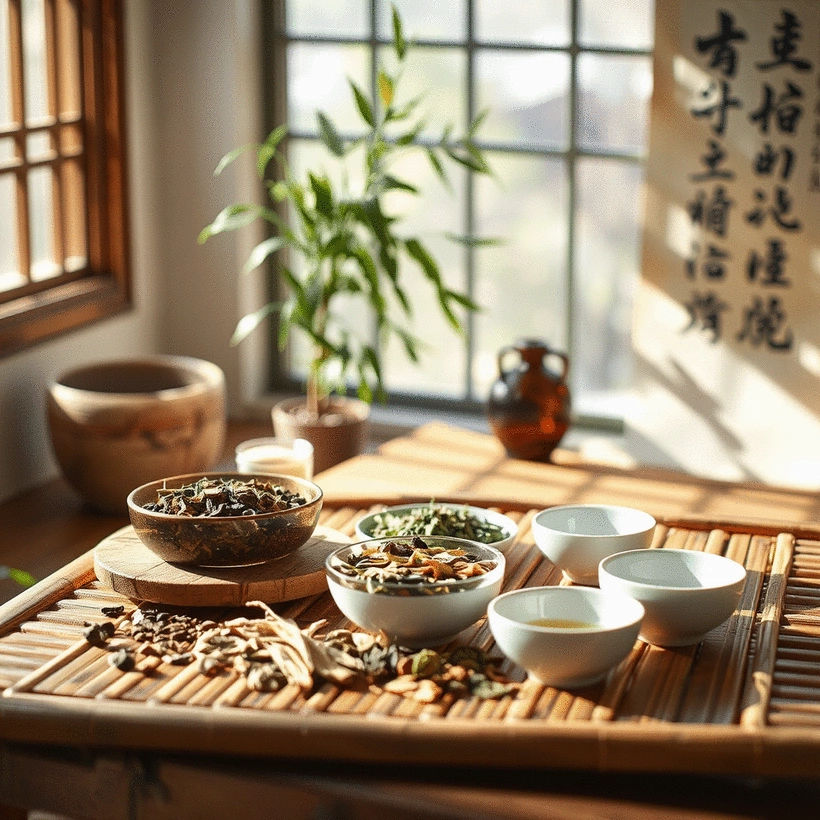
Exploring the realms of mental wellness through Traditional Chinese Medicine (TCM) reveals profound insights that can transform our understanding of anxiety. With a practice steeped in history, TCM offers unique methods for achieving balance and harmony in our emotional landscapes.
What You Will Learn
- TCM emphasizes the importance of balance, viewing health as the harmonious flow of vital energy, or "Qi," within the body.
- The connection between specific organs and emotions helps identify the root causes of anxiety, facilitating tailored treatment.
- Holistic treatments in TCM integrate mind and body methods, offering natural remedies and lifestyle adjustments for anxiety management.
- Understanding the significance of personalized care enables a more effective approach to anxiety, rather than a one-size-fits-all solution.
- TCM approaches emphasize prevention and maintaining internal balance to avoid the recurrence of anxiety symptoms.
- Future research may enhance the integration of TCM into modern healthcare, promoting collaborative treatments and greater public awareness.
Core TCM Principles Related to Anxiety Management
Understanding the core principles of Traditional Chinese Medicine can greatly enhance the management of anxiety disorders. For a deeper dive into these foundational concepts, you might find our article on understanding Traditional Chinese Medicine particularly insightful. Below are key principles and their descriptions.
Holistic Perspective
TCM perceives each individual as a whole, considering physical, mental, and emotional aspects.
Personalization
Each treatment plan is tailored to the individual's unique constitution and symptoms.
Prevention Focus
TCM emphasizes maintaining balance to prevent the onset of anxiety rather than just treating symptoms.
Understanding Anxiety Disorders through the Lens of Chinese Medicine
Anxiety disorders can be challenging, affecting our daily lives in different ways. At Qi Paths, we believe that understanding these disorders through the lens of Traditional Chinese Medicine (TCM) can bring new insights and relief. TCM offers a unique perspective that emphasizes balance, harmony, and the interconnectedness of the mind and body.
By exploring how TCM concepts apply to anxiety, we can uncover holistic approaches that may resonate with you. Let’s dive into the basic principles of TCM and how they relate to anxiety disorders, shedding light on ancient practices that can still be relevant today!
Introducing Traditional Chinese Medicine (TCM) Concepts
Traditional Chinese Medicine is an ancient healing system that has been practiced for thousands of years. Its holistic approach views health as a balance of vital energies, or "Qi," within the body. TCM believes that emotional disturbances, such as anxiety, arise when there is a disruption in this balance. To explore how TCM can enhance your overall quality of life, consider learning more about Qi principles for wellness.
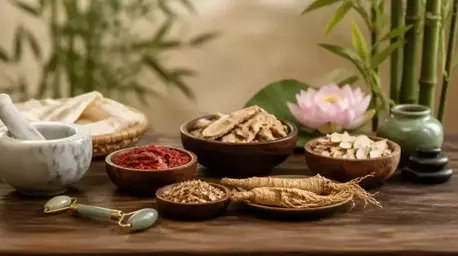
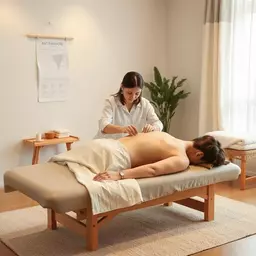
Through various techniques like acupuncture, herbal remedies, and mind-body practices, TCM aims to restore harmony. This exploration of TCM concepts will give you a better understanding of its relevance in managing anxiety disorders.
Overview of Chinese Medicine and Its Relevance to Anxiety
In TCM, emotions are closely linked to bodily functions and organ systems. For instance, the liver is associated with anger and frustration, while the heart relates to joy and emotional balance. When these organs are out of balance, anxiety can manifest.
- Balance of Qi: A key focus of TCM is maintaining the flow of Qi to prevent emotional disturbances.
- Organ Relationships: Understanding how emotions correlate with specific organs helps identify root causes of anxiety.
- Holistic Treatments: TCM utilizes various methods to restore balance, integrating mind and body for holistic health.
The relevance of TCM in today’s world lies in its focus on preventive care and individualized treatment plans. By embracing these ancient practices, we can find comfort and guidance in our mental wellness journeys.
Key TCM Principles in Addressing Anxiety Disorders
When it comes to addressing anxiety disorders, several key principles of TCM come into play. These principles can help us understand the underlying issues contributing to anxiety, allowing us to tackle them effectively.
- Holistic Perspective: TCM sees each individual as a whole, considering physical, mental, and emotional aspects.
- Personalization: Each treatment plan is tailored to the individual's unique constitution and symptoms.
- Prevention Focus: TCM emphasizes maintaining balance to prevent the onset of anxiety rather than just treating symptoms.
By applying these principles, we can pave the way for healing and emotional stability. It’s about more than just alleviating anxiety; it’s about nurturing overall well-being and being proactive in our health journeys.
Exploring Core TCM Syndromes Related to Anxiety
With a foundational understanding of TCM, we can now explore specific syndromes that relate closely to anxiety. It's fascinating to see how these ancient concepts resonate with our modern experiences! For those experiencing anxiety that disrupts their sleep, exploring acupuncture for better sleep quality could offer significant benefits. Let's identify how TCM syndromes reveal the intricacies of anxiety and explore practical solutions together.
Quick Summary
Here's a brief recap of the key points discussed so far:
- Traditional Chinese Medicine (TCM) views anxiety as a disruption in the balance of Qi, emphasizing a holistic approach to treatment.
- Key TCM principles include a holistic perspective, personalization of treatment plans, and a focus on prevention.
- Integrating TCM into mental health care offers natural remedies, a whole-person focus, and techniques that enhance emotional balance.
Frequently Asked Questions About TCM and Anxiety
Here are some common questions about Traditional Chinese Medicine's approach to anxiety:
- What is Qi in TCM? Qi is the vital energy or life force that flows through the body. In TCM, health is maintained when Qi is balanced and flowing freely, while imbalances can lead to emotional disturbances like anxiety.
- How does TCM view the connection between organs and emotions? TCM links specific emotions to organ systems. For example, the liver is associated with anger and frustration, and the heart with joy and emotional balance. An imbalance in these organs can manifest as anxiety.
- What types of treatments does TCM offer for anxiety? TCM offers a range of holistic treatments, including acupuncture, herbal remedies, dietary therapy, and mind-body practices like Qigong and Tai Chi.
- Is TCM a personalized approach to anxiety management? Yes, a core principle of TCM is personalization. Treatment plans are tailored to each individual's unique constitution, symptoms, and underlying imbalances, rather than a one-size-fits-all approach.
- Can TCM be used alongside Western medicine for anxiety? TCM can complement Western medical treatments, and increased collaboration between practitioners is a promising future direction. Always consult with your healthcare providers to ensure a coordinated approach.
Summarizing the Benefits of TCM Approaches to Anxiety Disorders
As we wrap up this exploration of anxiety through the lens of Traditional Chinese Medicine (TCM), it's essential to highlight the many benefits that TCM can offer in managing anxiety disorders. Unlike conventional methods that often focus solely on symptoms, TCM provides a holistic view that considers the individual’s overall balance and well-being. This approach emphasizes the interconnectedness of the body, mind, and spirit, making it a profound option for those seeking relief.
One of the most compelling aspects of TCM is its ability to provide personalized care. Every individual presents unique symptoms and underlying issues, and TCM's tailored treatments address these differences. By understanding one's specific TCM syndrome, we can navigate a path to healing that feels right for each person. Isn’t it comforting to think that a framework like TCM can provide us with the tools needed for comprehensive anxiety management?
Holistic Advantages of Integrating TCM into Mental Health Care
Integrating TCM approaches into mental health care offers numerous advantages. Some key benefits include:
- Natural Remedies: TCM utilizes herbs and acupuncture, promoting healing without the side effects often associated with pharmaceuticals.
- Whole-Person Focus: Rather than just treating symptoms, TCM aims to understand and heal the root causes of anxiety.
- Emphasis on Prevention: TCM encourages lifestyle changes and practices that can prevent anxiety from becoming a recurring issue.
- Mind-Body Connection: Techniques like Qigong and Tai Chi enhance emotional balance, reducing anxiety through movement and mindfulness.
At Qi Paths, we believe that these holistic advantages highlight how TCM can genuinely enhance our mental health care practices. It’s about more than just feeling better—it's about thriving and embracing wellness in all its forms! For more information on how acupuncture is specifically used to support mental health, check out our article on acupuncture's role in mental health.
Future Directions for Research and Practice in TCM and Anxiety
The future of TCM in treating anxiety disorders looks promising! Ongoing research continues to explore how TCM practices can fit into modern healthcare. Some future directions may include:
- Increased Collaboration: A partnership between TCM practitioners and Western healthcare providers could offer a more comprehensive treatment plan.
- Expanded Research: More clinical trials aimed at understanding the efficacy of TCM methods for anxiety relief will help validate these ancient practices.
- Public Awareness: Educating the community on TCM's benefits can enhance acceptance and accessibility.
As we look ahead, I am excited about how TCM can continue to evolve and integrate into our ever-changing health landscape, making it more accessible for everyone seeking peace of mind.
Encouraging Personalized Approaches to Anxiety Management
At Qi Paths, we’re passionate about empowering you to take control of your wellness journey. Understanding that anxiety is not a one-size-fits-all issue is crucial. By exploring TCM, you can discover personalized approaches that resonate with your unique experience.
Interactive Tools: Discovering Your TCM Syndromes and Recommendations
To aid in this exploration, we encourage you to utilize interactive tools available on our platform. These tools can help you identify your potential TCM syndromes and suggest tailored recommendations. Some aspects you might consider include:
- Assessing Symptoms: Consider the emotional and physical symptoms you are experiencing.
- Exploring Lifestyle Factors: Reflect on your diet, stress levels, and daily routines.
- Consulting with Practitioners: Seek guidance from TCM practitioners who can provide individualized treatment plans.
Finding the right approach can be a transformative experience. You may discover new insights into your health and unlock pathways to healing!
Call to Action: Considering TCM as an Effective Strategy for Anxiety Relief
As we conclude our discussion, I invite you to consider TCM as a viable strategy for anxiety relief. With its rich traditions and holistic methods, TCM can offer a pathway to not just managing anxiety but also achieving a deeper sense of well-being. Why not take that step today? If you're seeking a reputable clinic, you can also explore what makes a trusted acupuncture clinic.
Whether you’re curious about acupuncture, herbal remedies, or mind-body practices like Qigong, there’s a world of healing waiting for you. Connect with us at Qi Paths to learn more and share your experiences. Together, let’s explore the ancient wisdom that can help pave the way for a healthier, happier life!
Recap of Key Points
Here is a quick recap of the important points discussed in the article:
- Understanding TCM: Traditional Chinese Medicine views health as a balance of vital energies (Qi) and addresses emotional disturbances like anxiety through holistic approaches.
- Emotional and Organ Connection: TCM correlates specific emotions with organ systems, helping identify the root causes of anxiety.
- Holistic Treatment Plans: TCM emphasizes personalized, holistic treatments that focus on the whole person rather than just alleviating symptoms.
- Preventive Care: Maintaining balance is key to preventing anxiety, with TCM promoting lifestyle changes that foster emotional stability.
- Natural Remedies: TCM utilizes herbs and acupuncture, offering natural alternatives to pharmaceuticals for anxiety relief.
- Future Research: Collaboration between TCM and Western medicine, along with expanded research, holds promise for integrating TCM into modern healthcare.