Chinese Medicinal Herbal Tea Benefits
Did you know that the ancient practices of Traditional Chinese Medicine (TCM) can significantly enhance your wellness journey? Herbal teas, a staple in TCM, are crafted carefully to restore balance and harmony in our bodies, making them more than just flavorful beverages.
What You Will Learn
- Herbal teas in TCM are tailored to individual health needs, focusing on balance and harmony.
- Understanding the warming and cooling properties of herbs is crucial for selecting the right tea based on your current state.
- Herbal teas can support various health benefits, including improved sleep quality, stress relief, enhanced digestion, and boosted immunity.
- It's important to consider safety and potential drug interactions before consuming herbal teas, especially for those with specific health conditions or on certain medications.
- Modern research is increasingly validating the effectiveness and safety of herbal remedies, linking ancient wisdom with contemporary science.
- Personalized recommendations from TCM practitioners can help you make informed choices that align with your health goals and enhance your overall well-being.
Warming vs. Cooling Herbs in Herbal Teas
Understanding the differences between warming and cooling herbs enhances our choice in teas for specific health needs. This balanced approach is fundamental to understanding Traditional Chinese Medicine principles.
Warming Herbs
- Ginger
- Cinnamon
Ideal for energy boosts, often used in colder weather.
Cooling Herbs
- Chrysanthemum
- Peppermint
Perfect for calming and refreshing the body, especially in warmer climates.
Understanding Herbal Teas in Traditional Chinese Medicine
Herbal teas are not just a delightful beverage; they hold a significant place in the practices of Traditional Chinese Medicine (TCM). Understanding how these teas are crafted and utilized can provide incredible insights into their powerful effects on our health. Here at Qi Paths, we believe that exploring these ancient practices can empower us to take control of our wellness journey, connecting us with both tradition and modern health needs.
In TCM, herbal teas are viewed through the lens of balance and harmony. Each ingredient is selected based on its unique properties and the specific health concerns it addresses. This approach allows for a tailored experience that aligns with individual needs, making herbal teas a dynamic component of holistic health.
The Role of TCM in Herbal Tea Practices
Traditional Chinese Medicine is built on the principles of balance and energy flow, which is essential in understanding the role of herbal teas. The idea is that everything in our bodies is interconnected, and by using specific herbs, we can help restore balance. Many of these herbal practices have been honed over thousands of years, making them both time-tested and relevant.
What’s fascinating is how TCM categorizes herbs into different energies. They can be warming or cooling, influencing how they interact with our bodies. This categorization helps practitioners create effective blends tailored for specific health concerns, much like how acupuncture can improve sleep quality.
- Warming Herbs: Ideal for those needing an energy boost and often used during colder weather.
- Cooling Herbs: Perfect for calming, soothing, and refreshing the body, especially in warmer climates.
Introduction to Traditional Chinese Medicine and Its Principles
At the heart of TCM lies the concept of Qi, or vital energy, which flows through our bodies. When Qi is balanced, we experience better health, but any blockages or imbalances can lead to discomfort or illness. Herbal teas are one way to encourage this flow and foster well-being.
Furthermore, TCM emphasizes the importance of prevention over treatment. Incorporating herbal teas into our daily routines can serve as a proactive measure to maintain our health. By understanding the benefits of various herbs, we can make informed choices that enhance our wellness.
Warming vs. Cooling Herbs: Energetics in Herbal Teas
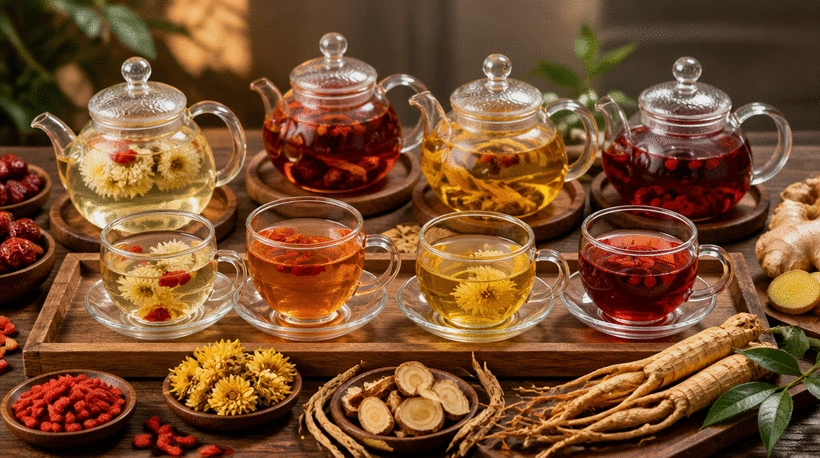
When selecting herbal teas, it is crucial to understand the warming and cooling properties of the ingredients. Warming herbs, such as ginger and cinnamon, stimulate circulation and are often used to alleviate cold-related symptoms. On the other hand, cooling herbs like chrysanthemum and peppermint are used to calm and refresh the body, making them excellent for hot weather.
This balance between warming and cooling helps maintain our body’s equilibrium, which is a key principle of TCM. As I often share with my patients at Qi Paths, choosing the right tea isn't just about flavor; it's about what your body needs in that moment! For more insights into how traditional practices support well-being, explore the Qi principles for wellness.
Key Health Benefits of Chinese Herbal Teas
Chinese herbal teas offer a plethora of health benefits, supporting various aspects of well-being. For many, these teas serve not just as beverages but as daily rituals to enhance physical and mental health. Here are some notable benefits that I have seen in my practice:
- Supports Sleep: Many herbal teas, like chamomile and valerian root, can promote relaxation and improve sleep quality.
- Stress Relief: Herbs such as lavender and holy basil can help ease tension and promote tranquility.
- Enhances Digestion: Teas with ginger and peppermint can soothe digestive discomfort and support overall gut health.
- Boosts Immunity: Ingredients like echinacea and goji berries can strengthen the immune system and help fend off illness.
Incorporating these herbal teas into your routine can be a simple yet effective way to support your health goals. As we explore more about these ingredients, you will come to appreciate the diversity and richness of Chinese herbal teas, deepening your wellness journey.
Quick Summary
Here's a brief recap of the key points discussed so far:
- Herbal teas play a significant role in Traditional Chinese Medicine (TCM), emphasizing balance and harmony.
- Warming and cooling herbs are categorized based on their effects on the body, aiding in various health concerns.
- Incorporating herbal teas can support sleep, stress relief, digestion, and immunity.
Frequently Asked Questions About Herbal Teas in TCM
- What is the main principle behind herbal teas in Traditional Chinese Medicine (TCM)?
- In TCM, herbal teas are crafted based on the principles of balance and harmony, with each herb selected for its unique properties to address specific health concerns and restore equilibrium in the body.
- How do "warming" and "cooling" herbs differ in TCM?
- Warming herbs (e.g., ginger, cinnamon) are used to boost energy and improve circulation, often suitable for colder conditions. Cooling herbs (e.g., chrysanthemum, peppermint) help calm, soothe, and refresh the body, ideal for warmer climates or to counteract excess heat.
- What are some key health benefits of Chinese herbal teas?
- Chinese herbal teas can support various aspects of well-being, including improving sleep quality, reducing stress, enhancing digestion, and boosting immunity.
- Are there any safety precautions to consider when consuming herbal teas?
- Yes, it's crucial to be aware of potential drug interactions and individual health conditions. Pregnant women, individuals on blood thinners, or those with chronic illnesses should consult a healthcare provider before incorporating new herbal teas into their routine.
- How does modern research view traditional herbal remedies?
- Modern research increasingly validates the effectiveness and safety of traditional herbal remedies, bridging ancient wisdom with contemporary scientific understanding to highlight the health benefits of various herbal ingredients.
Safety and Considerations in Herbal Tea Consumption
When venturing into the world of Chinese herbal teas, it’s vital to consider safety and specific health conditions. Not all herbs are suitable for everyone, and understanding who should avoid certain herbs can help in making informed choices. Let's explore these precautions together!
Some individuals, such as those with specific health conditions or those taking certain medications, might need to be cautious with herbal teas. For instance, people on blood thinners or those with chronic illnesses should consider consulting a healthcare provider before incorporating new herbs into their routine. This step is essential to ensure your herbal journey is both safe and beneficial.
Who Should Avoid Certain Herbs?
Understanding potential drug interactions is crucial for anyone considering herbal teas. Some herbs can alter how medications work in your body, leading to unwanted side effects. Here are a few examples of herbs and their interactions:
- Ginger: Can enhance the effects of anticoagulants.
- Ginseng: May interact with blood sugar medications.
- Licorice Root: Can affect blood pressure medications.
It's always best to check with a healthcare provider if you're unsure about the compatibility of specific herbs with your prescribed medications. Remember, safety should never be compromised! For personalized guidance, consider visiting a trusted acupuncture clinic.
Potential Drug Interactions and Precautions
Alongside medication interactions, certain individuals should be particularly careful when consuming herbal teas. Pregnant women, for example, should avoid many herbs as they can affect fetal development. Here’s a list of considerations for sensitive individuals:
- Avoid herbal teas that contain strong stimulants like ginseng during pregnancy.
- Seek out caffeine-free options if you are sensitive to caffeine.
- Consult a practitioner before trying new herbs if you have allergies or sensitivities.
Taking these precautions helps ensure a safer and more enjoyable experience with herbal teas!
Connecting Traditional Practices with Modern Evidence
As we embrace the rich history of Chinese herbal teas, it's essential to link these traditional practices with modern research. Studies are shedding light on the effectiveness and safety of herbal remedies, helping us make informed decisions. It’s an exciting time to explore how ancient wisdom meets contemporary science!
Research insights are becoming increasingly available, highlighting the health benefits of different herbal ingredients. Investigating these studies allows us to appreciate the value of herbal teas while also being mindful of their effects. Here are some key findings:
- Chrysanthemum tea supports eye health and reduces inflammation.
- Ginger has been shown to aid digestion and reduce nausea.
- Goji berries can enhance immune function and provide antioxidants.
With this knowledge, we can dive deeper into how these herbs work in our bodies!
Research Insights on Herbal Efficacy and Safety
When exploring herbal teas, having personalized recommendations can enhance your experience significantly. Consulting practitioners who specialize in traditional Chinese medicine gives you tailored advice that suits your unique health needs. At Qi Paths, we encourage readers to seek out local practitioners who can guide you on your herbal journey.
Together, let’s ensure you’re using herbs that align with your health goals and promote overall well-being. Have you consulted a practitioner before? Sharing your experiences can help others in our community! To further explore the benefits of traditional remedies, consider learning about traditional Chinese herbs for wellness.
Recap of Key Points
Here is a quick recap of the important points discussed in the article:
- Herbal teas play a significant role in Traditional Chinese Medicine (TCM) by promoting balance and harmony in health.
- Warming herbs (e.g., ginger, cinnamon) boost energy and circulation, while cooling herbs (e.g., chrysanthemum, peppermint) calm and refresh the body.
- Chinese herbal teas provide various health benefits, including supporting sleep, relieving stress, enhancing digestion, and boosting immunity.
- Safety is crucial; individuals with specific health conditions or those on medications should consult healthcare providers before consuming herbal teas.
- Research supports the efficacy of herbal teas, linking traditional practices with modern scientific evidence for improved health outcomes.